Wenzhou Prance Hydraulic Equipment Co., Ltd

When is a vane pump suitable for an industrial hydraulic system?
A vane pump is suitable only when its documented operating range and configuration match the industrial circuit. Begin with required flow, pressure, speed, fluid, temperature, inlet conditions, drive arrangement and installation interface. Pump type alone is not a final selection.
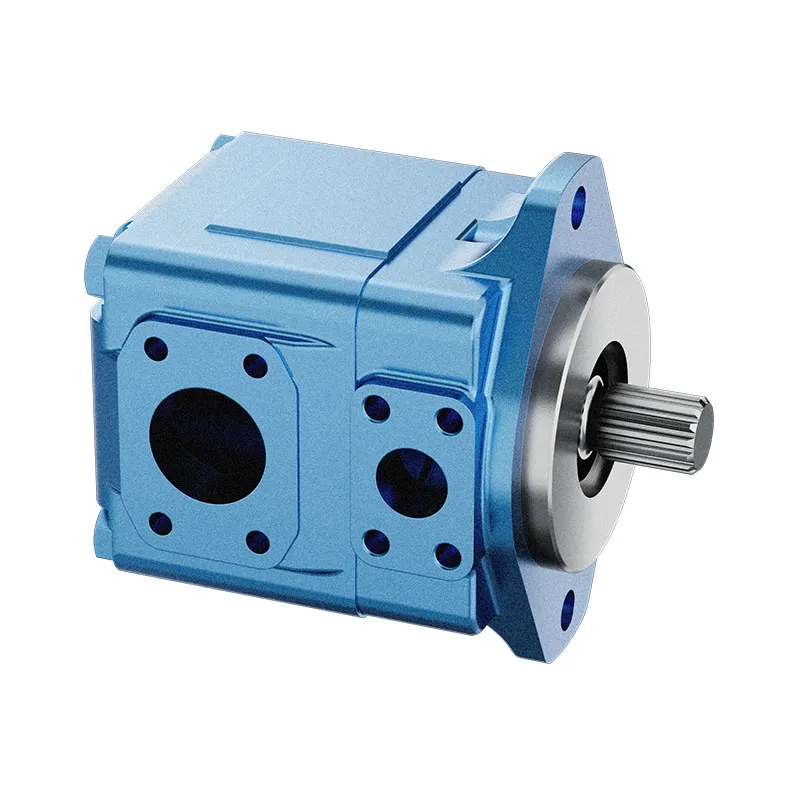
Part 1. What does a vane-pump application require?
Start with the hydraulic circuit requirement rather than a model name. Define the continuous flow, pressure, speed, fluid, temperature, operating cycle and installation constraints. These inputs establish the duty that a product datasheet must later verify.
Industrial hydraulic units may use different pump architectures for different control needs. A vane-pump route is worth evaluating when the defined duty and the available model documentation align. It is not an automatic answer for every industrial power unit.
Part 2. Which duty inputs affect vane-pump selection?
Required flow and shaft speed are core inputs because theoretical flow depends on displacement and pump speed. Pressure, fluid viscosity, temperature, cleanliness, inlet conditions and mounting details also influence whether the operating point can be supported by the selected model.
Document the duty across the work cycle, not only at one nominal point. A system can have different continuous and peak conditions, while the drive may operate at more than one speed. Use the hydraulic pump flow calculation guide to structure the initial data.
Part 3. How do fixed displacement and circuit control affect the choice?
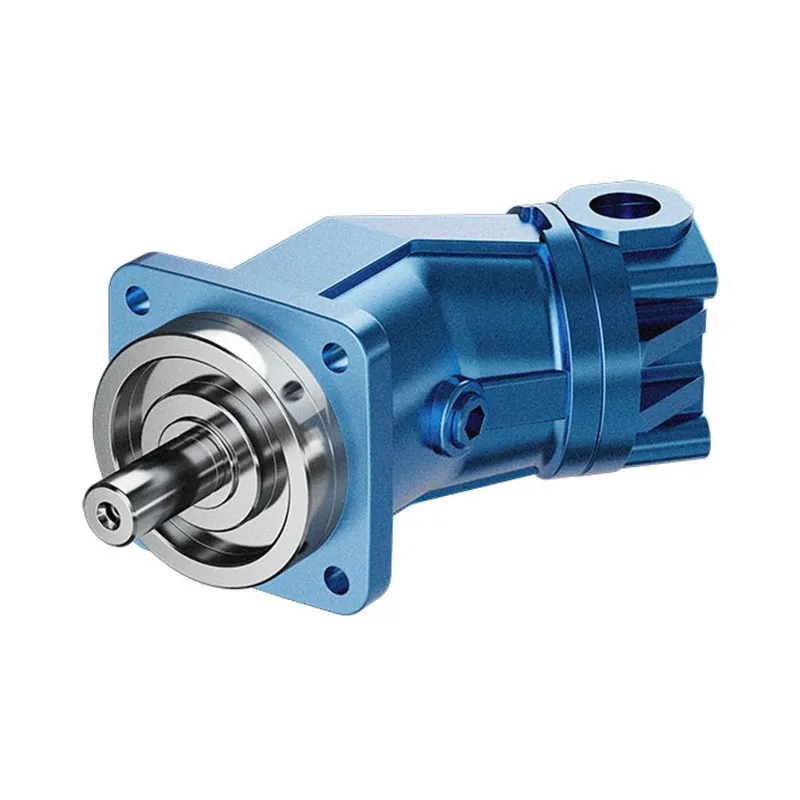
Fixed-displacement designs provide theoretical flow in proportion to shaft speed. If the circuit requires output adjustment, the system design must establish whether speed changes, flow-control components or another pump architecture provides that control.
This is a circuit decision, not a claim that one pump type is universally better. Compare the piston pump versus vane pump guide for the architecture questions, then return to the selected model documentation.
Part 4. Which system conditions must be checked?
Inlet line arrangement, reservoir position, fluid condition, temperature and contamination control belong in the selection review. A pump that appears suitable from flow alone can still be unsuitable when its inlet or installation conditions do not match the documented requirements.
Review the hydraulic pump inlet conditions checklist before finalizing the duty. The checklist does not assign a rating to a specific vane pump; it identifies inputs needed for the model review.
Part 5. When should a buyer request model documentation?
Request the model datasheet before committing to a product when the final duty, installation, certification or documentation requirement matters to the project. The datasheet should be checked against the exact configuration, rather than assuming that a family label applies to every variant.
The fixed displacement vane pump page is a product-family starting point. It does not establish a specific circuit fit, a noise result or compatibility with another manufacturer’s model.
Part 6. What should a vane-pump RFQ include?
Provide the data that defines the system:
- required continuous and peak flow;
- continuous and peak pressure;
- pump shaft speed, drive and control requirements;
- fluid type, temperature, cleanliness and inlet arrangement;
- mounting, shaft, rotation and port orientation; and
- application, quantity and required drawings or documentation.
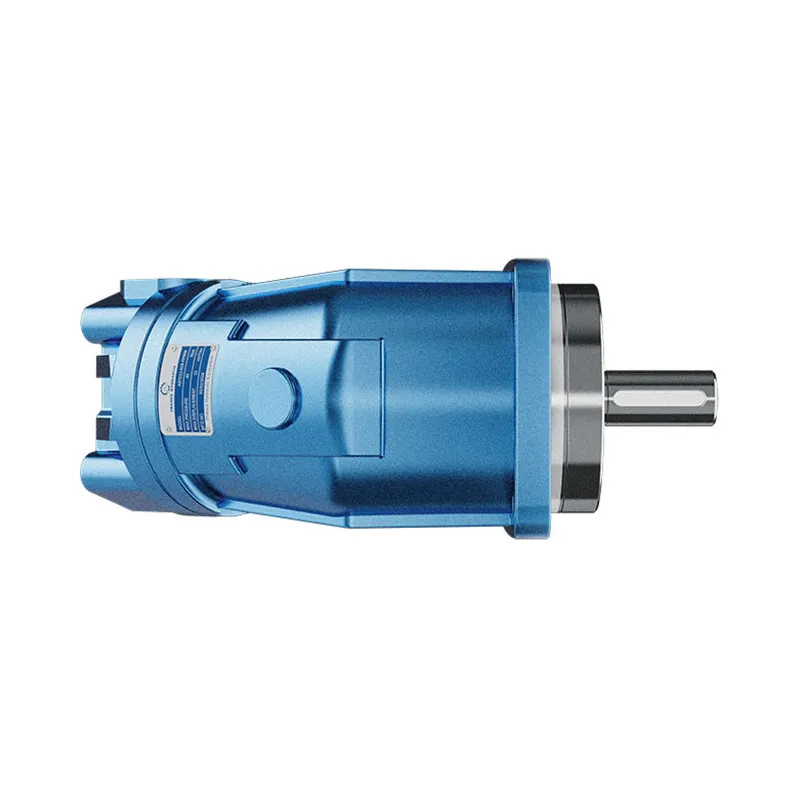
Use the hydraulic pumps range and the contact page to submit the RFQ. A product recommendation requires the model documentation and the complete duty inputs.
FAQs
What is a hydraulic vane pump used for?
It is evaluated for hydraulic circuits whose required flow, pressure, speed, fluid and installation conditions can be supported by a documented vane-pump configuration.
Is a vane pump always fixed displacement?
The configuration must be confirmed from the specific model documentation. Do not infer every product feature from the pump-family label.
How do I compare a vane pump with a piston pump?
Compare the required flow control, pressure, speed, fluid, installation and duty cycle first. Then verify the candidate model documentation.
Does noise alone decide whether to use a vane pump?
No. Noise expectations are only one input. The full circuit, duty and model evidence are needed before selection.
What should I check before selecting a vane pump?
Check flow, pressure, speed, fluid, temperature, inlet, mounting, shaft, rotation, control and documentation requirements.
What should I include in a vane pump RFQ?
Include the required flow and pressure, drive speed, fluid and inlet conditions, mounting details, application duty and documentation needs.
References
- Parker basic hydraulic formulas — displacement, speed, flow and power relationships.
- Danfoss Series 40 technical information — theoretical flow and operating-condition context.