Wenzhou Prance Hydraulic Equipment Co., Ltd

When should a buyer choose a direct-acting or pilot-operated valve?
Direct-acting versus pilot-operated valve selection starts with force, flow and control limits—not with a catalog photo. Use the checklist below to decide which operating principle belongs in the RFQ before naming a model family.

Part 1. What separates a direct-acting valve from a pilot-operated valve?
A direct-acting valve uses the operator force to shift the main element. A pilot-operated valve uses a smaller pilot stage to move a larger main stage. The difference matters when flow, pressure and available actuator force no longer match a single-stage design.
Part 2. Which flow and pressure clues point to each principle?
Higher flow at a given pressure often increases the force needed to shift a main spool or poppet. When operator force is limited, pilot assistance is commonly reviewed. Record continuous and peak values separately so the review does not mix duty points.
Part 3. How should response and control expectations be written?
| Review item | What to capture | Send with quote |
|---|---|---|
| Required shift behavior | On/off, timed, or modulated expectation | Yes |
| Available operator energy | Solenoid, manual, or pilot supply detail | Yes |
| Circuit pressure at the valve | Continuous and peak values | Yes |
| Flow through the path | Continuous and peak flow | Yes |
State whether timing is a machine requirement or only a preference. Response claims belong to the model datasheet, not to a generic principle label.
Part 4. Where do mounting and pilot-supply details change the review?
Pilot-operated designs need a defined pilot source, drain path and cleanliness expectation. Mounting pattern, porting and available envelope still belong in the same review package. A correct principle with the wrong interface is not a finished selection.
Part 5. Which mistakes turn a principle comparison into a wrong RFQ?
Ordering by a familiar model number, assuming every large valve is pilot-operated, or omitting pilot-drain routing are common gaps. Another gap is treating center condition, spool type and operator voltage as optional afterthoughts.
Part 6. What product-route inputs belong with the inquiry?
Include principle preference or open question, flow, pressure, fluid, temperature, operator type, electrical or pilot interfaces, mounting, center condition if applicable, and any documentation required by the project.
- Product-family route after inputs are complete: directional valve review through the site valve range
- Send with quote: duty points, interfaces, fluid and installation photos or drawings when available
- Fit boundary: no model is confirmed without datasheet evidence
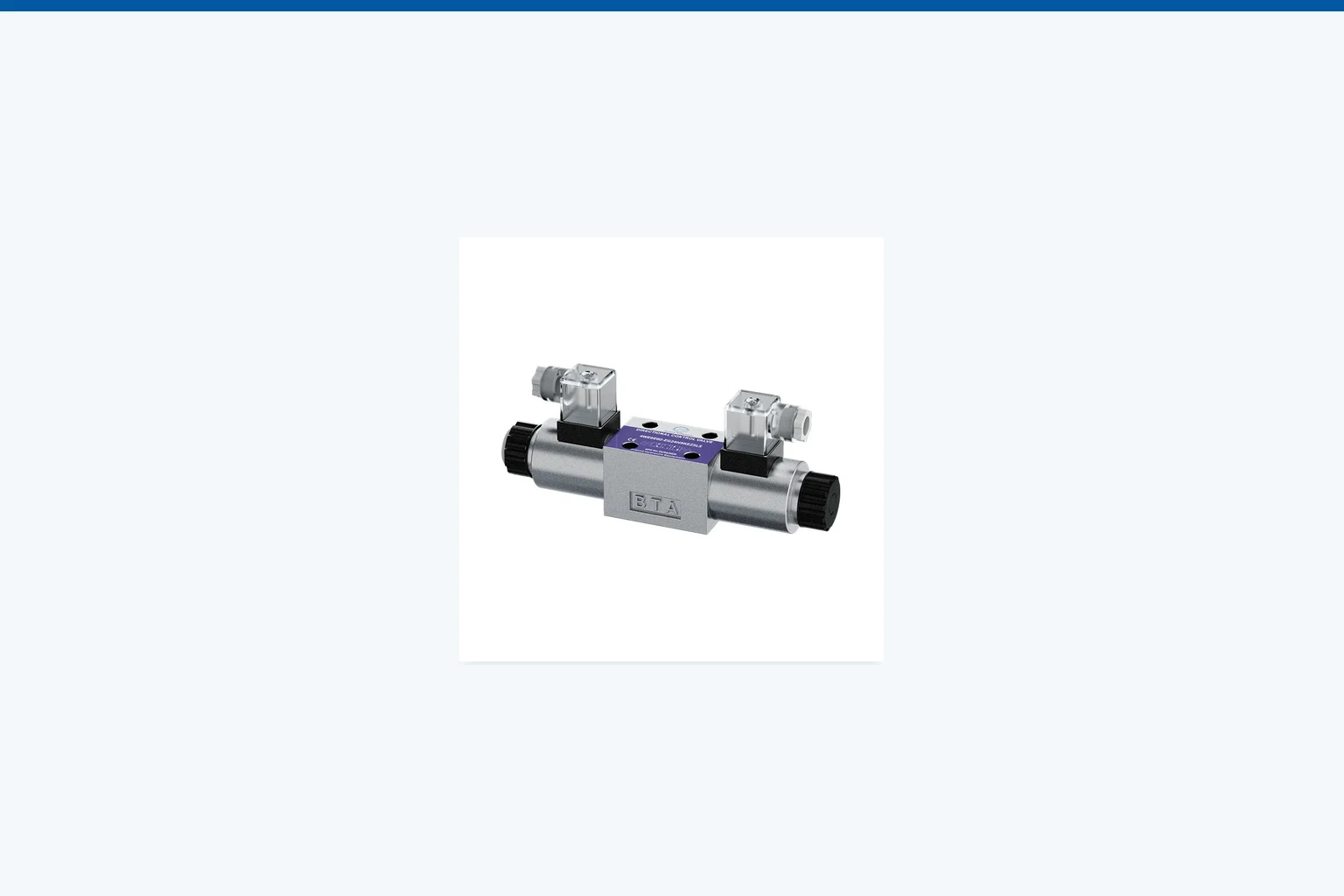
Important: Do not treat a principle label as proof of interchangeability; confirm force, flow, pilot supply and interfaces in the selected datasheet before release. — Parker basic hydraulic formulas
Use the following related guidance during the review:
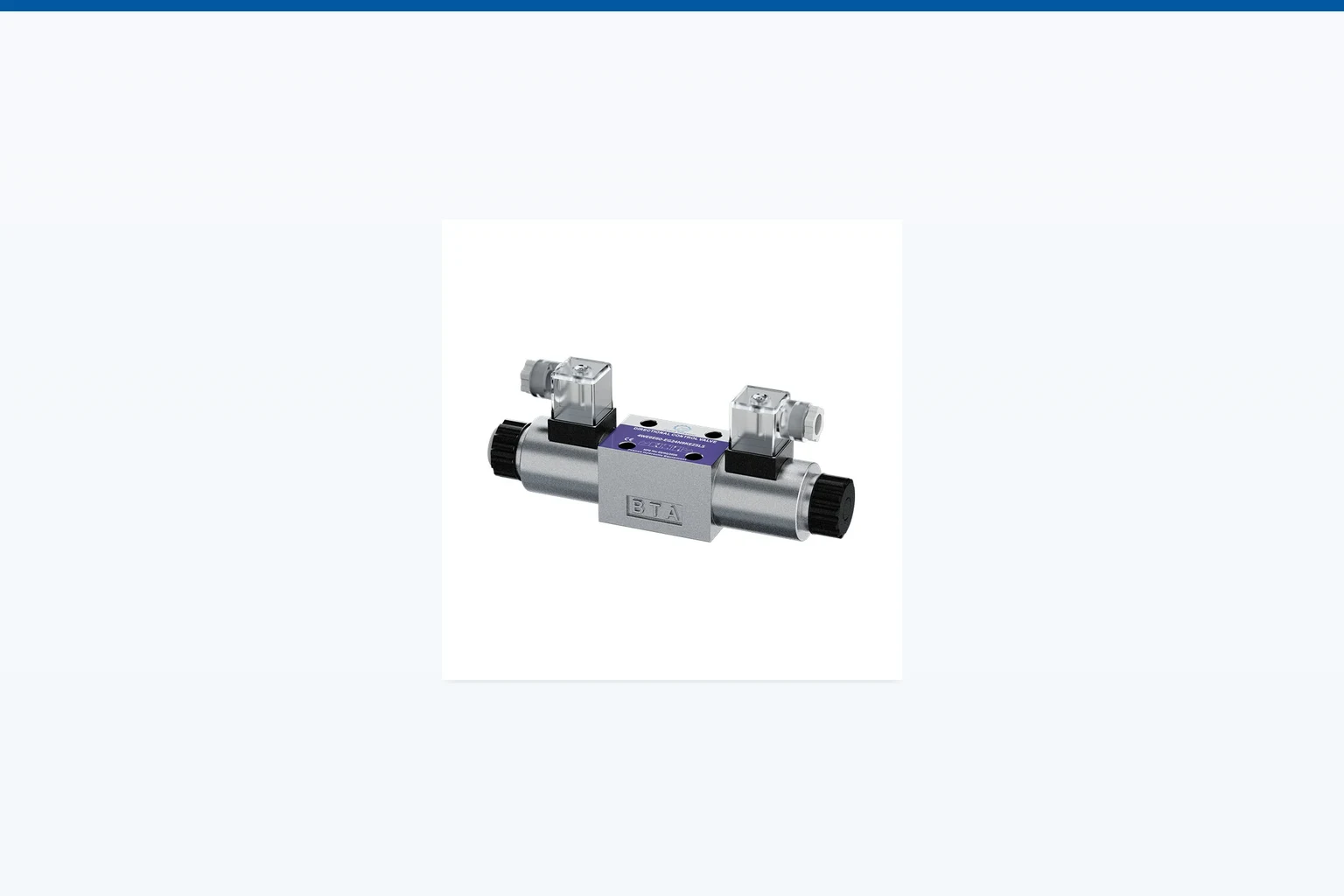
For a product-family review, start with the hydraulic valves range, review the directional valve 4WE route when relevant, then submit the full application through the contact page. A model recommendation requires the applicable datasheet and complete operating inputs.
FAQs
What is a direct-acting hydraulic valve?
It is a valve whose main metering or switching element is shifted directly by the operator force rather than by a separate pilot stage.
When do buyers usually review pilot-operated valves?
When required flow or pressure makes direct operator force impractical, or when the circuit already provides a suitable pilot supply.
Does a larger valve always need pilot operation?
No. Size alone is not evidence. Confirm force, flow and datasheet limits for the intended model.
What pilot details should be included in an RFQ?
Pilot source, pressure range, drain arrangement, fluid cleanliness expectations and any locking or unloading logic.
Can principle selection replace a datasheet review?
No. Principle choice narrows the family; the datasheet confirms the configuration.
What information should a buyer provide?
Provide flow, pressure, fluid, operator type, interfaces, mounting and whether pilot operation is preferred, required or open.
References
- Parker basic hydraulic formulas — force, flow and duty inputs used when comparing valve operating principles.
- Danfoss Series 40 technical information — why specified conditions matter when principle choice alone is incomplete.