Wenzhou Prance Hydraulic Equipment Co., Ltd

Hydraulic DC Valve: Lock Directional Control Before Voltage
A hydraulic dc valve, in buyer and search language for this keyword, is a directional control valve that starts, stops, or changes the path of oil to an actuator. Coil voltage still matters as an electrical-interface choice, but it does not redefine the abbreviation. Below: what the term means, how ports and positions work, where actuation and voltage fit, where proportional hardware begins, and which inputs to gather before a product conversation.
What a hydraulic DC valve means in this topic
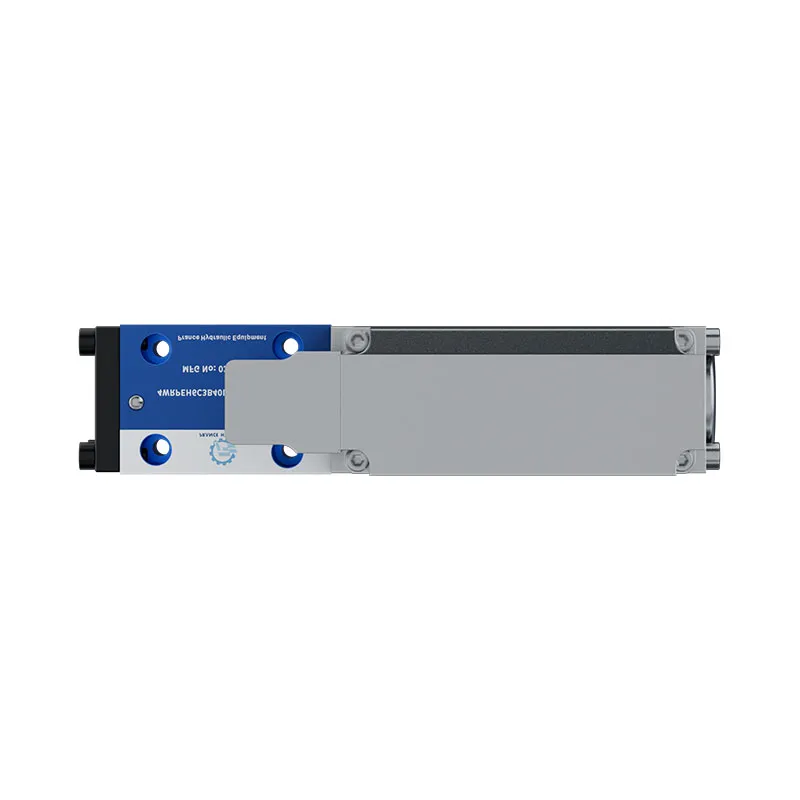
In live search language for this keyword, “DC valve” lines up with directional control valve (DCV / directional-control valve). Procurement readers often meet the abbreviation on a BOM and wonder whether to shop a coil voltage first or to specify a directional valve.
The useful first answer is the hydraulic DCV meaning: a valve that chooses where pressurized fluid goes. Product listings may still show DC coil voltage options beside directional hardware; treat those as interface data inside the same directional selection, not as a separate product class named “DC valve.”
With that meaning fixed, the rest of the article stays on ports, positions, actuation families, and RFQ inputs rather than on a voltage-only catalog.
What a directional control (DC) valve does
A directional control valve starts, stops, or changes the path of hydraulic fluid so an actuator can extend, retract, or follow a commanded path. In a typical cylinder circuit, the valve sits between the pump and the work ports and decides which end of the cylinder receives pressure while the opposite end returns.
Inside many industrial designs, a spool shifts inside the body to open and close those paths. Lever, solenoid, or fluid pilot can move that spool; the shared job is still direction control, not metering every intermediate flow rate.
Picture an OEM engineer explaining the same idea to purchasing: the pump supplies flow, and the directional valve decides which actuator path that flow takes. Once that role is clear, the conversation can move to how the valve is described on drawings and data sheets.
Ports, positions, and center conditions that define a DC valve
Ways and positions classify the valve envelope before brand or voltage enters the discussion. Common ports P/T/A/B name pump, tank, and the two work connections; ways track how many work-port connections the envelope uses, and positions count the discrete envelopes the spool can occupy.
Language such as positions / 4/3 (four-way, three-position) is a compact way to say the valve has four main ports and three selectable envelopes. A distributor translating a “4/3” callout into RFQ language starts here: count the ports, count the positions, then read the center condition for the middle envelope.
Center condition describes what happens to pump and work ports when the valve is not commanding work—open, closed, tandem, and related neutral logics. Schematics often follow ISO 1219 directional symbol families for those envelopes.
A blocked-center symbol should not be read as a perfect zero-leak lock on a cylinder. Spool-type valves can leak across lands, so A and B may still see pressure differences and creep unless documentation and circuit design address holding separately.
For deeper type and symbol literacy beyond this buyer framing, see Hydraulic Directional Control Valve Types & Applications.
Actuation choices and the DC-voltage fence
Manual, solenoid, pilot, and combined operators all shift the same directional envelope. A solenoid operator energizes a coil to move the spool; AC versus DC coil voltage then follows the electrical power available on the machine.
That is the DC-voltage fence. DC coil voltage is an electrical-interface field on a directional valve RFQ. It answers “which coil supply matches the panel,” not “what does hydraulic DC valve mean as a product class.”
A solenoid directional valve therefore still belongs to the directional family: the coil shifts the spool, and the spool routes ports. Voltage must match the coil, yet the abbreviation meaning above stays directional.
For a full actuation comparison of lever versus solenoid choices, use Manual vs Solenoid Hydraulic Valve. This section only fences voltage so shopping modules do not pull the whole article into a coil catalog.
How a DC/directional valve differs from proportional and broader control valves
Discrete DC/directional switching moves between defined positions—often described as bang-bang direction control. A proportional valve can take intermediate positions to meter flow and direction together, so the buying question is different once metering is required.
Keep that boundary visible when a bill of materials only says “control valve.” Directional framing answers start/stop/path. Broader hydraulic control-valve overviews cover pressure and flow families as well; this article stays on DC/DCV meaning and selection handoff rather than replacing that wider hub.
If the circuit needs intermediate metering rather than discrete direction shifts, gather command-signal and metering requirements before comparing directional and proportional routes. Prance’s valve family also publishes proportional options; those belong in a separate selection path once metering is confirmed.
Selection inputs to prepare before a directional-valve RFQ
A request that only says “need a DC valve” leaves too many open fields. Before a product discussion, assemble circuit function / RFQ inputs that match how industrial directional routes ask for data: circuit function, flow, pressure, spool/control function, electrical interface, mounting, ports, fluid, and filtration class.
| Locked meaning | Secondary shopping sense | Question each answer |
|---|---|---|
| DC valve = directional control valve (DCV) | DC = coil supply type on a solenoid | Am I naming a directional valve, or only matching coil voltage? |
| Ports, positions, and center condition describe the envelope | Voltage SKUs appear beside directional products | Do I have the envelope language before I quote a coil? |
| Discrete switching starts, stops, or reverses path | Metering needs may point to proportional hardware | Is the job bang-bang direction or intermediate metering? |
Use the table as a quick meaning-versus-shopping check. The next table turns the same idea into a scan list for the conversation.
| Information to gather | Why it matters before product talk |
|---|---|
| Circuit function | States whether the valve must start, stop, or reverse a named actuator path. |
| Flow and pressure | Ties the valve discussion to the circuit demand the machine actually sees. |
| Spool / control function | Records the envelope and center logic the drawing expects. |
| Electrical interface | Captures coil supply and connector needs without redefining “DC valve.” |
| Mounting and ports | Fixes the installation interface (pattern, porting, connections). |
| Fluid and filtration class | Describes the fluid environment the valve must live in. |
Collecting those fields early helps a distributor pass a clearer record to an OEM or integrator. It also stops a voltage-only reply from standing in for a missing circuit description.

What burned coils and intermittent shifts remind buyers to verify
Electrical symptoms on a directional valve often need hydraulic and electrical co-checks. Replacing the valve alone may not remove a system-conditioned pattern.
From the field: On a TractorByNet open-/closed-center discussion, readers tied “which center does this machine use?” to the same shopping thread as float wear, an extra remote, and GPM for a replacement directional valve. For a hydraulic DC/DCV buyer, that mix is a reminder: lock open-center versus closed-center—and the directional envelope that fits it—before treating a coil or valve swap as the full answer.
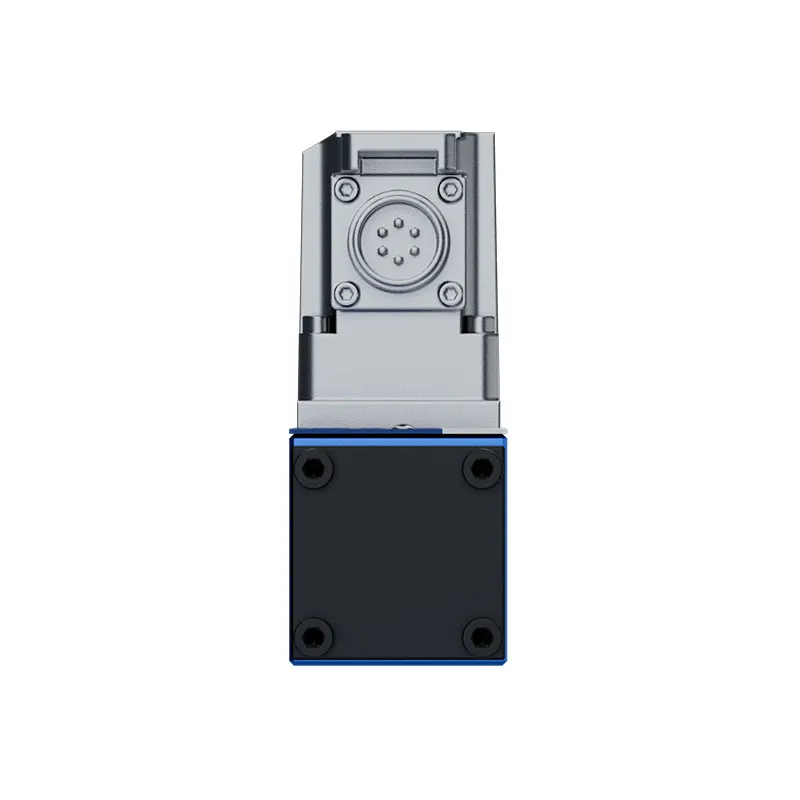
For coil-focused symptom reading, see Hydraulic Solenoid Valve Coil Failure. The point here is narrower: intermittent shift or repeated burnout is a prompt to verify the circuit and electrical interface together, not a repair procedure.
Directional valve product context for the next conversation
Prance publishes a hydraulic-valve product-family route covering directional and proportional options. The Hydraulic Valves page asks buyers to start with circuit function, flow, pressure, control signal, mounting, and fluid-cleanliness requirements.
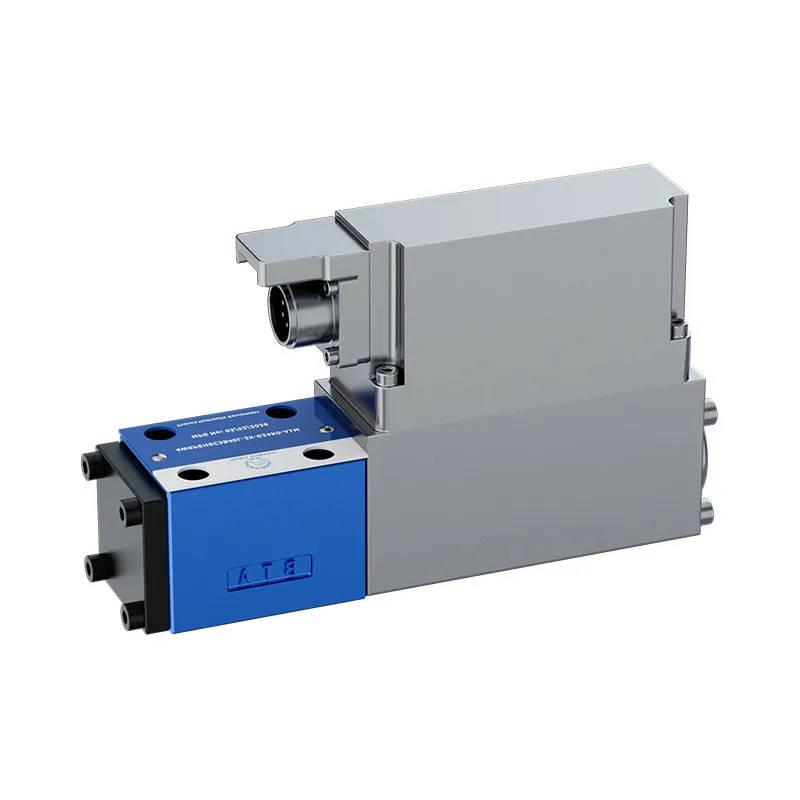
Within that family, the Directional Valve 4WE page identifies 4WE6 / 4WE10 solenoid-operated directional spool valves that control start, stop, and direction of flow. The live 4WE route documents solenoid-coil replacement that leaves the pressure-tight chamber closed, plus a concealed manual override for emergency spool actuation. RFQ inputs include flow, pressure, circuit/spool function, electrical interface, mounting, ports, fluid, and filtration class.
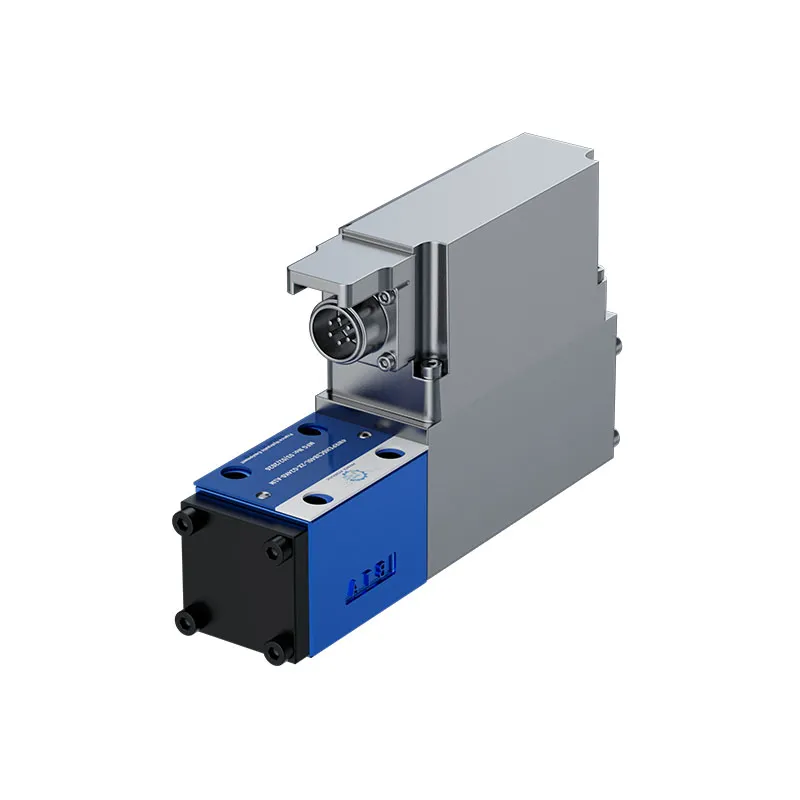
Those routes are useful after the meaning and the checklist above are in place. Incomplete circuit, electrical, mounting, fluid, or filtration data still leaves final fit open; a proportional metering need also belongs on a different path than discrete directional switching.
FAQs
What does “hydraulic DC valve” mean?
In this topic, it means a hydraulic directional control valve (DCV): a valve that routes fluid to start, stop, or reverse actuator motion. DC coil voltage remains a secondary electrical-interface detail inside that directional selection.
What is the function of a DC/DCV valve in a hydraulic system?
Its function is to start, stop, or change the path of hydraulic fluid so actuators extend, retract, or follow a commanded path. The spool position in the body sets which ports connect.
How do ports and positions (e.g., 4/3) describe a DC valve?
Ways describe the work-port count, and positions describe how many discrete envelopes the spool can occupy. A 4/3 callout is four-way, three-position language; center condition then explains the neutral envelope.
How does a DC solenoid directional valve work?
A solenoid directional valve uses a coil to shift the spool so pressurized fluid reaches one actuator path while the return path opens from the other. Coil voltage must match the coil supply available on the machine.
How is a DC/directional valve different from a proportional valve?
A discrete DC/directional valve switches among defined positions. A proportional valve can take intermediate positions to meter flow as well as direction, so the selection inputs differ once metering is required.
What information should I prepare before a directional-valve RFQ?
Prepare circuit function, flow, pressure, spool/control function, electrical interface, mounting, ports, fluid, and filtration class. Those fields match how industrial directional routes frame a useful product discussion.
Can a burned coil or intermittent shift be blamed on the valve alone?
Not reliably. Field reports of repeated coil burnout and post-changeover shift problems show that hydraulic stick conditions, pilot or tank-line issues, and electrical mismatch often travel with the symptom. Circuit-type questions—such as open-center versus closed-center matching—also belong in that same verification conversation.
Does a blocked-center symbol guarantee a locked cylinder?
No. Spool-type blocked-center symbols should not be treated as zero-leak holding; documentation and circuit design still govern whether a load stays put.