Wenzhou Prance Hydraulic Equipment Co., Ltd

What to include in a hydraulic system specification for a custom project
A hydraulic system specification checklist should describe the intended machine function, duty context, circuit and controls, operating conditions, interfaces, and project evidence needed for review. A component model number alone does not define a custom hydraulic system, because the applicable documentation must be read against the actual load, motion, fluid, environment, and installation context.
Part 1. What makes a custom hydraulic specification reviewable?
The specification should let another engineer or supplier understand the problem before they interpret a component family. Start with what the machine must do, what movement or force outcome is expected, and which parts of the system are already fixed. Then provide the circuit context, the operating conditions, the interfaces, and the documents that define the project boundary.
This approach prevents a common procurement failure: an RFQ that contains a part number but omits the reasons the part was selected. A product identifier can be useful evidence, but it cannot on its own describe a custom machine’s motion sequence, load variation, control logic, fluid condition, or installation constraints.
Write unknowns as unknowns. A clear request that says a measurement point, duty condition, or drawing revision needs confirmation is more reviewable than a guessed value presented as final. The purpose is to create a controlled technical conversation, not to force a premature model recommendation.
Part 2. Which machine and duty details come first?
Describe the required machine function in plain operational language. State the actuator or driven function, the required motion or output, the load behavior, the sequence of operations, and when the function is active. If the duty changes between idle, working, reversing, or holding conditions, identify those states instead of collapsing them into one generic description.
The next field is the evidence context. Explain where any load, speed, pressure, flow, or temperature observation comes from and under which machine condition it was taken. This keeps a reported number from being detached from the job it represents. It also helps separate a design requirement from an observation on an existing machine.
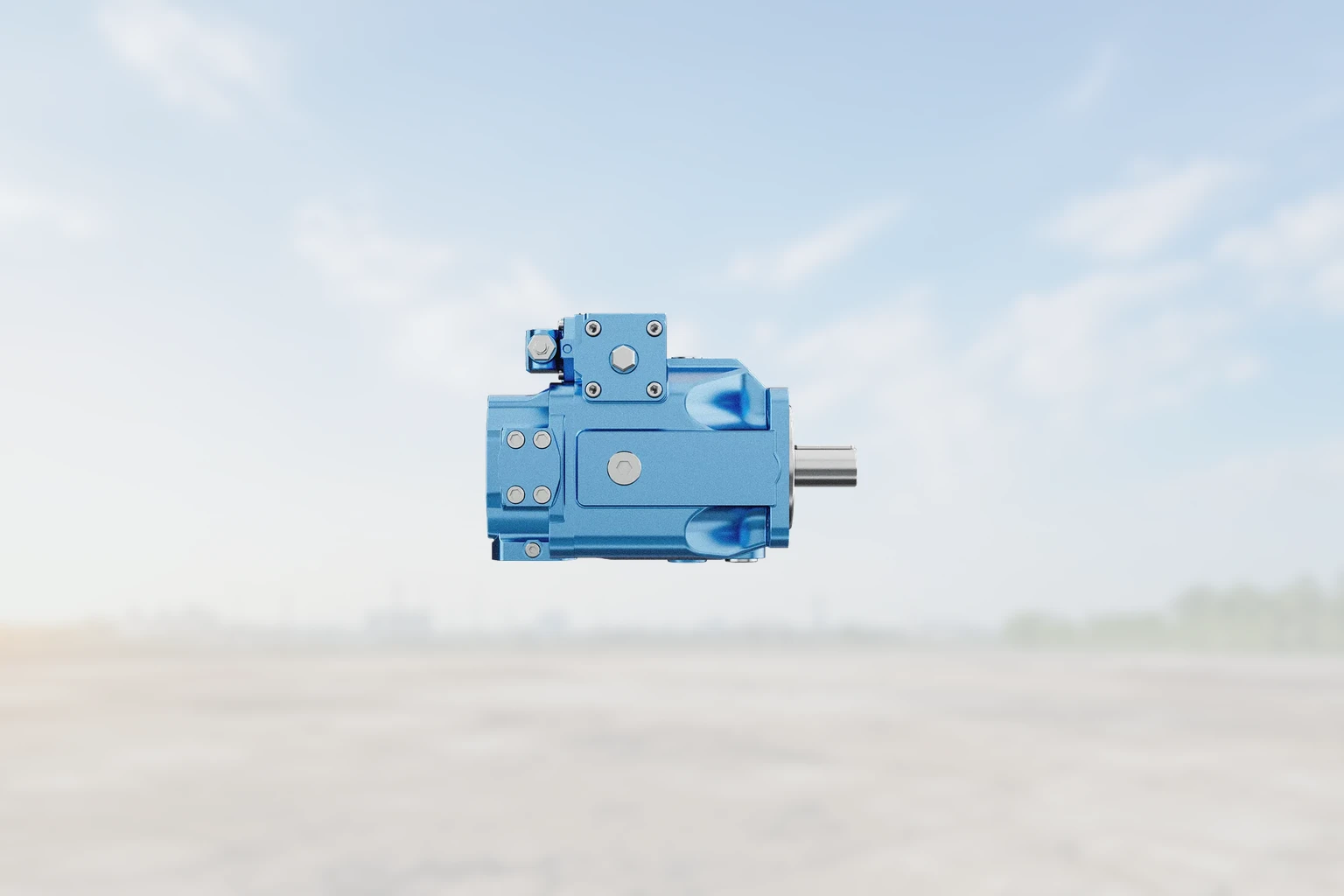
For application context, the hydraulic components for lifting platforms article shows why a pump, motor, and valve question must be tied to the machine function. It does not replace the project-specific record needed for a new design.
Part 3. How should the circuit and performance context be described?
Provide the circuit information that lets a reviewer locate the function being discussed. Identify the energy source, the principal pump, the actuator or motor function, the relevant valve or control path, and the return or drain context if it matters to the question. Attach a current schematic when available and mark the revision.
Use the table to organize review inputs without presenting it as a sizing formula. The project owner should provide the actual values, units, measurement locations, and duty conditions where known.
| Buyer should provide | Why it matters | Send with quote |
|---|---|---|
| Required machine function and motion/load description | Defines the outcome the circuit must support | State normal and changed duty conditions |
| Flow and pressure context with units and measurement location | Keeps readings tied to a test or design point | Identify whether each value is required, observed, or unknown |
| Circuit schematic and revision | Shows the relationship between pump, valve, actuator, and return paths | Mark the function under review |
| Control and electrical/signal description | Clarifies command and feedback context | List available drawings or connector information |
| Existing component documents and open questions | Creates an evidence baseline | Flag fields needing engineering confirmation |
A technical review needs more than a headline flow or pressure figure. The active function, measurement location, fluid, temperature, load state, and control condition can alter what that information means. The hydraulic system commissioning checklist is a useful adjacent record when the specification is being assembled from an existing machine observation.
Important: Do not treat a catalog family, matching ports, or a previous part number as proof that a component is suitable for a custom system. Compare the project’s complete record with the selected item’s documented conditions before approval. The Danfoss Series 40 reference illustrates why applicable documentation matters.
Part 4. Which operating conditions and interfaces need definition?
Record the fluid that the project uses or intends to use, the filtration and reservoir context available to the project, and the expected temperature environment if known. Do not infer a permitted fluid, contamination class, or temperature limit from a generic component image or family name. Those are model and application questions.
Mechanical and connection interfaces need the same discipline. Identify mounting, ports, drive or coupling information, available envelope constraints, electrical supply, signals, connectors, and any controls already selected. A drawing, photo, or interface schedule is usually more useful than a verbal statement that items “look the same.”
Where information is unavailable, flag it for confirmation. The repeated hydraulic component failure guide is relevant when the team is trying to reconstruct conditions from a recurring issue, but it does not establish the missing project data.
Part 5. What documents prevent an ambiguous custom project?
The evidence package should allow each important field to be traced to a source. Include the current circuit schematic, layout or mounting drawing where available, the relevant component documentation, existing measurement records, photos of interfaces or nameplates when they are part of the review, and the project’s stated acceptance or test boundary.
An acceptance boundary is not a promise of performance. It records what the buyer expects to review, who owns the final approval, which document revision applies, and which information must be confirmed before selection or installation. It is especially useful when a custom project mixes existing hardware with a new function.
Use a controlled revision list. If a supplier receives a drawing, schematic, and RFQ on different dates, the buyer should make clear which version governs. That small administrative step can prevent the technical discussion from proceeding against an obsolete interface or sequence.
Part 6. How should a buyer send the specification for review?
Send a concise project summary plus the evidence that supports it. The most useful submission includes the required function, motion/load and duty description, flow and pressure context with units and locations, fluid and environment notes, schematic and drawing revisions, mechanical/electrical interfaces, existing component documents, and the questions that remain unresolved.
For a family-level starting point, review the hydraulic pump product family, hydraulic motors, and hydraulic valves. Then use the OEM and ODM hydraulic component review and contact page to provide the controlled project record.
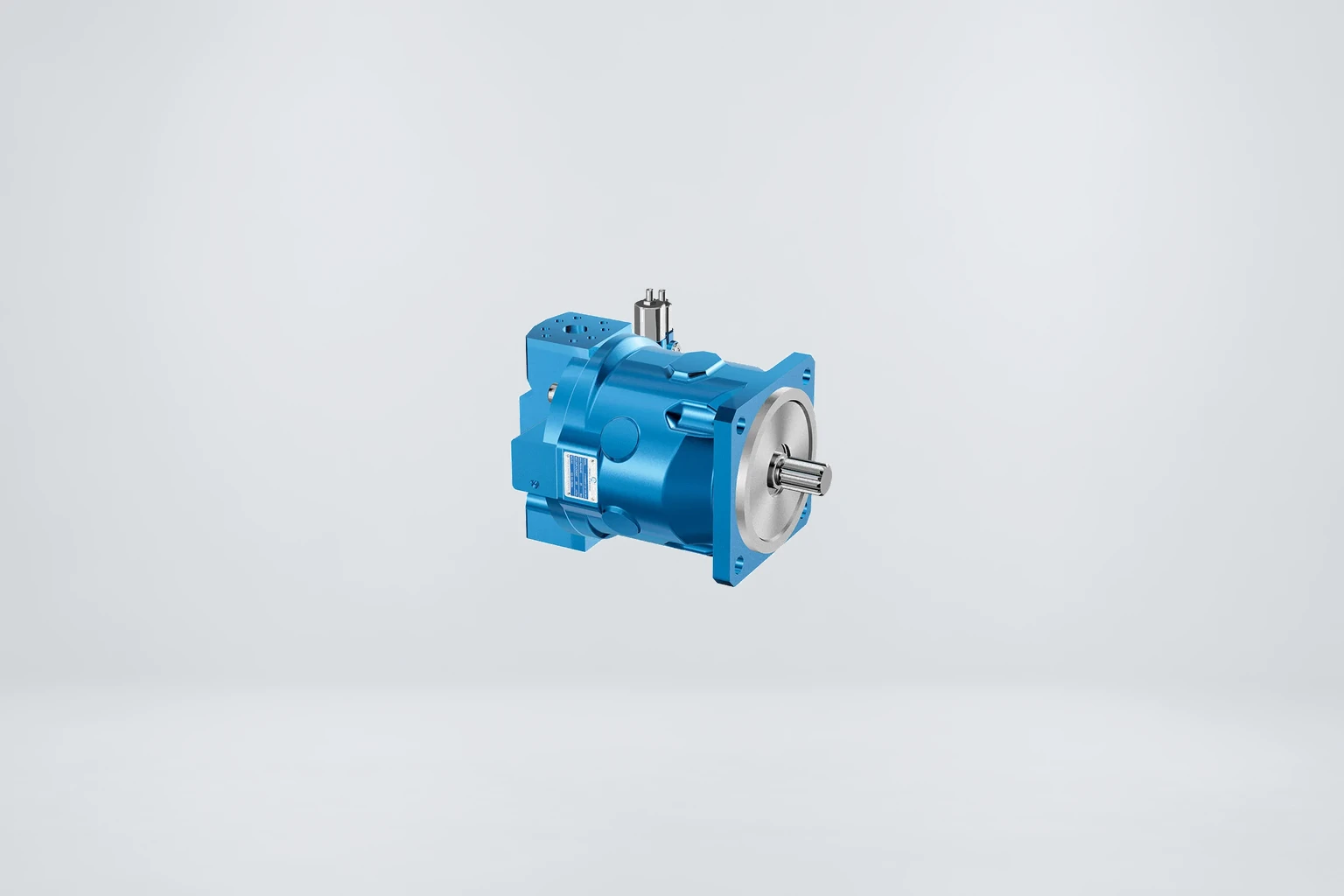
This is the fit boundary: the checklist helps prepare an engineering review. It does not calculate a system, approve a circuit, set a safety procedure, certify a machine, or promise that a specific product will meet the project.
FAQs
What should be included in a hydraulic system specification?
Include the required machine function, duty context, circuit and control description, operating conditions, interfaces, drawings and documents, acceptance boundary, and any open questions for review.
What information is needed to size a hydraulic pump for a custom project?
Provide the actual duty description, flow and pressure context with units and measurement or design location, fluid and environment information, interfaces, and the applicable project documents. A supplier still needs to review the selected model documentation.
Should pressure and flow be listed without context?
No. Record the active function, units, measurement location, load state, temperature context, and whether each value is a requirement, an observation, or an item to be confirmed.
Does a hydraulic system RFQ need a circuit schematic?
Include the current schematic when available and identify its revision. It gives the reviewer the relationship between components and highlights the function under review.
Is a component model number enough to specify a hydraulic system?
No. A model number does not define the machine duty, fluid, controls, interfaces, installation conditions, or the complete evidence needed to assess a custom project.
What should be sent with a hydraulic system specification request?
Send the project function, duty record, flow and pressure context, fluid and environment notes, schematic and drawing revisions, interfaces, existing component documents, and the unresolved questions that need review.
References
- Danfoss Series 40 technical information — model limits and installation-condition boundary.
- Danfoss H1F motor technical information — motor application and documentation context.
- Danfoss cartridge valves technical information — valve and control application context.
- Danfoss technical documentation — documented-condition boundary for product conclusions.