Wenzhou Prance Hydraulic Equipment Co., Ltd

How to prepare a hydraulic check valve application question for review
Hydraulic check valve applications should be reviewed from the circuit function, intended flow direction, and applicable valve documentation, not from a port size or a product image alone. Record the pump or motor context, the drawing, the valve identification, and the facts that remain unknown before asking a supplier to compare an arrangement.
Part 1. What should a check valve application question establish?
A check valve application question starts with a circuit purpose. It should make clear which path is under review, the intended direction of flow, and what the system is expected to do in that operating condition. That is different from claiming that an unspecified valve will solve a symptom or deliver a protection result.
Write down the available evidence before interpreting it. An identified valve record, a drawing, and a stated machine function give a reviewer a way to distinguish an intended circuit role from an assumption. If the evidence is incomplete, retain the gap rather than filling it with a typical valve description.
Applicable technical documentation defines the conditions for a product conclusion. A family name can be a starting point for research, but it is not the selected item’s application record.
Part 2. Which circuit facts should be recorded first?
Begin with information that preserves the actual question. This table is an RFQ evidence list, not a specification for a valve.
| Buyer should provide | Why it matters | Send with quote |
|---|---|---|
| Circuit drawing and function being discussed | Establishes the path and the application question | Mark unclear paths and drawing revision |
| Valve identifier and available documents | Connects the inquiry to a traceable item | State whether the label is complete |
| Intended flow direction | Shows what the comparison must address | Use the drawing; do not infer it from a photo |
| Pump or motor context and duty | Keeps the valve question tied to the surrounding function | Note changes from the prior arrangement |
| Ports, interfaces, fluid, and observations | Identifies open compatibility and condition questions | Include location and operating condition |
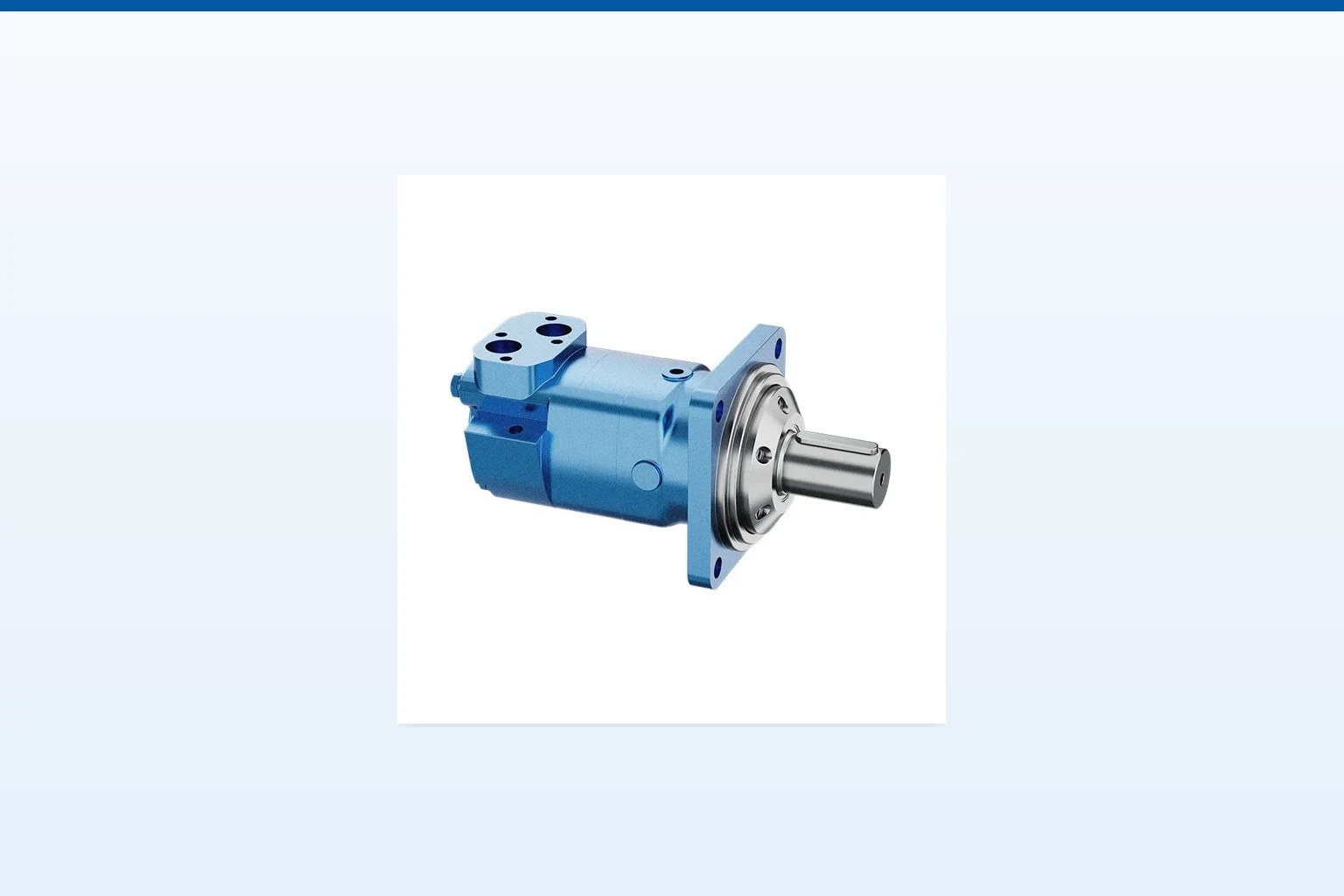
The hydraulic engineering review article is useful when changed duty or incomplete documents need to be organized. It does not approve a valve selection.
Part 3. Why does the surrounding component matter?
A valve sits within a pump, motor, actuator, or control function rather than in isolation. Record which component is upstream or downstream in the reviewed drawing, what the active machine function is, and whether a replacement or duty change prompted the question. This prevents a buyer from treating an interface match as proof of system suitability.
When an observation is involved, state where and when it appeared. Noise, heat, motion changes, or a reported pressure condition can be useful evidence, but none establishes a root cause or a check-valve requirement by itself. The hydraulic valve pressure drop article provides a related evidence route without turning a record into a component recommendation.
Important: Do not use a check-valve label, port size, or familiar part number as permission to change a circuit. Confirm the selected item’s documented conditions and the verified circuit record first. The Danfoss cartridge valves technical information shows why valve conclusions require application context.
Part 4. Why do ports and part numbers not complete the decision?
Ports and a part number can help identify what must be checked, but neither reveals every condition in the circuit. A visual similarity or matching connection does not establish the intended flow direction, internal function, selected documentation, or project fit. Treat a partly readable label as an identification lead, not as a conclusion.
This distinction is practical during replacements. A pump or motor circuit can have changed even where a mounting face appears familiar. Keep the previous and proposed documents together, then describe the decision that requires confirmation.
The hydraulic relief valve setting guide helps distinguish a protection-review question from an undocumented change. It does not define a check-valve arrangement.
Part 5. When should a buyer pause instead of assuming a valve function?
Pause when the flow direction is not shown, the circuit function is unclear, the selected valve record is missing, the duty has changed without evidence, or the request relies only on ports or a photograph. Pause also when someone seeks a promised isolation, holding, or protection outcome from an unidentified component.
An unresolved field is useful information. State it in the inquiry and recover the relevant drawing or documentation before a project decision is made. Guessing transforms a manageable evidence gap into an unsupported fit claim.
This is the fit boundary: the page organizes an application question. It does not select a check valve, define an operating value, approve a circuit, diagnose leakage, or replace the responsible project’s safety process.
Part 6. How should check valve evidence be sent for review?
Send the circuit drawing, valve identification and documents, intended direction of flow, pump or motor function, ports and interfaces, fluid and duty context, observations with conditions, required quantity, application, delivery requirements, and the question needing confirmation.
For a family-level starting point, use the hydraulic valve product family with the OEM / ODM hydraulic component route. Submit the controlled record through the contact page instead of requesting a valve choice from a picture or connection size.
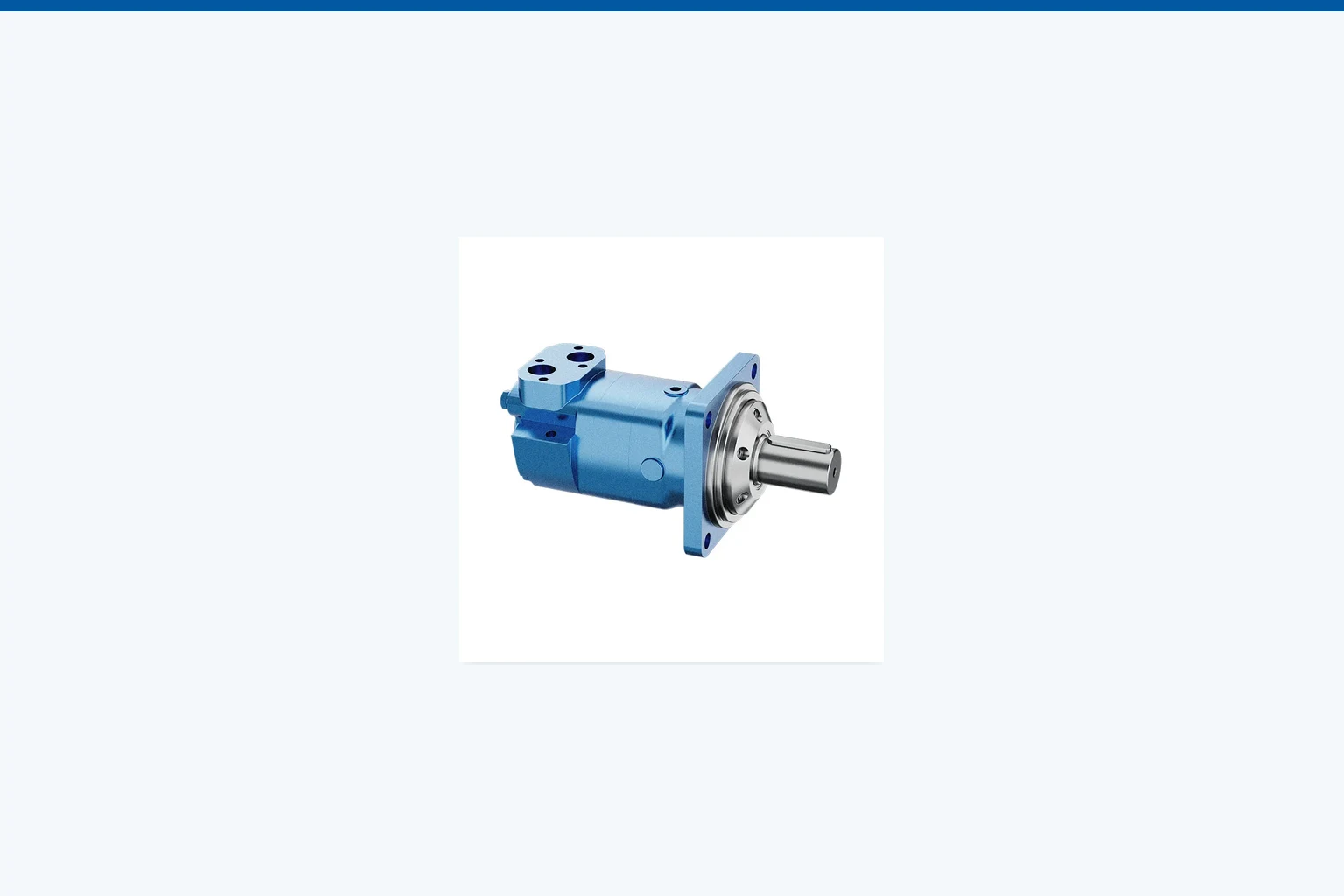
The product recommendation remains at the family level. A named valve should not be recommended until the applicable documentation and project evidence have been reviewed.
FAQs
What does a hydraulic check valve do?
It is considered in relation to a stated circuit function and intended flow direction. The selected item’s documentation and project conditions determine what must be verified.
Where are hydraulic check valves used?
They are discussed in pump, motor, actuator, and control circuits, but the actual application must be identified from the drawing and component records.
Can port size select a check valve?
No. Port size does not establish internal function, flow direction, applicable documentation, duty, or project suitability.
Does the flow direction need to be documented?
Yes. Show it on the circuit evidence because the direction is central to the question a reviewer needs to answer.
Is a check valve the same as a relief valve?
No. Treat each as a circuit-specific question and use the applicable documentation rather than a broad label to define its role.
What should be included in a hydraulic check valve RFQ?
Include the drawing, valve and document identifiers, intended flow direction, pump or motor context, interfaces, fluid and duty record, observations, quantity, application, delivery requirements, and unresolved question.
References
- Danfoss cartridge valves technical information — valve conclusions need circuit and application context.
- Danfoss Series 40 technical information — product conclusions remain within documented conditions.
- Danfoss H1F motor technical information — component questions require system context.
- Danfoss technical documentation — documentation sets the product-conclusion boundary.