Wenzhou Prance Hydraulic Equipment Co., Ltd.

Handbuch zur Austauschbarkeit von Hydraulikmotoren: Was muss übereinstimmen
A hydraulic motor interchange must match the machine's hydraulic duty, mechanical interfaces and circuit functions. Matching displacement or flange appearance alone is insufficient. Compare torque and speed at the real operating conditions, shaft and mounting details, work and drain ports, external loads and any brake or control options. Describe a replacement as suitable for a documented application only after those checks are completed.
This guide focuses on engineering comparison between an existing motor and a proposed alternative. It does not claim that a Prance product is officially authorized by another brand or that a broad model-family label proves direct replacement compatibility.

Establish the existing configuration before comparing alternatives
Collect the complete nameplate code, installed photographs, hydraulic schematic and machine function. A family name can conceal different shafts, ports, seals, controls and bearing arrangements. If the original motor has been repaired or modified, compare the installed configuration with its documentation rather than assuming the nameplate describes every current interface.
Record why replacement is needed. An unavailable part, damaged shaft, insufficient torque and an overheating machine are different problems. If the original failure was caused by an incorrect drain or mechanical load, the alternative must be evaluated against the corrected conditions. Copying the original code without investigating the failure can transfer the same problem to a new motor.
Define the required torque and speed envelope
List continuous operation, startup, acceleration, reversal and any load-driven braking condition. Use shaft torque and speed together rather than one headline power value. A replacement with the same nominal displacement can have different starting efficiency, low-speed smoothness and allowable duty. Performance at a convenient catalog point may not represent the machine's demanding operating point.
Include oil temperature and viscosity, inlet flow and pressure difference across the motor. Outlet pressure matters because motor torque depends on pressure difference, not inlet pressure alone. Ask for actual operating curves or supplier confirmation at the stated points. Keep calculation examples separate from selected-product ratings and identify which values were measured on the machine.
Compare displacement with the circuit's flow capability
Displacement affects the relationship between flow and speed and between pressure difference and theoretical torque. A different displacement can be acceptable in an engineered change, but it can alter machine travel, starting behavior and required pressure. Do not call it a direct interchange without documenting those changes.
For a variable-displacement motor, compare the displacement range, control law, minimum displacement behavior and fail position. The same maximum displacement does not imply the same response to a hydraulic or electrical command. Check whether the existing pump and valves can support the proposed motor through the complete duty range.
Separate continuous, intermittent and peak limits
Compare pressure, speed and temperature limits using the same duty definitions. One supplier's peak value should not be compared with another supplier's continuous value. Read the allowed duration and recovery conditions where provided. A replacement that survives a brief pressure event may still be unsuitable for sustained operation.
Consider simultaneous conditions. A catalog may not allow maximum speed, maximum pressure and maximum external load together. Ask for approval of the real combination and the expected operating duration. Preserve the written basis for the decision so later changes to machine speed or workload trigger a fresh review.
Verify mounting and shaft interfaces in detail
Compare pilot dimensions, bolt arrangement, shaft designation, projection, engagement and reference faces. A spline needs its complete geometry and fit, while a keyed shaft needs the correct key and hub arrangement. Confirm the final axial stack so the shaft does not bottom in the driven equipment before the motor seats fully.
Check the housing envelope and service clearance as well. A larger rear housing can obstruct a frame member, brake connection or hose bend. If an adapter is required, evaluate concentricity, stiffness, added distance and shaft loading. An alternative requiring an unreviewed adapter should not be presented as a direct physical replacement.
Check external forces separately from output torque
Review radial force, axial thrust and overhung moment from the transmission. Motors with similar displacement may have different shafts, bearings and permitted external loads. A wheel or sprocket application can require a specific output-bearing configuration that a standard motor lacks.
Provide force magnitude, direction, location and duty cycle to the supplier. Use the manufacturer's stated datum and loading conditions when reading a chart. If the alternative changes shaft projection or mounting distance, recalculate the load location. A torque-capable motor can still fail mechanically when used outside its external-load capability.
Compare work ports, drains and auxiliary connections
Record every port's function, location, size, sealing standard and permitted pressure. A proposed alternative may need different adapters, which can change pressure loss and routing. Drain requirements deserve particular attention: some arrangements tolerate working return pressure differently, and a configuration with an external drain cannot be assumed compatible with a circuit that lacks one.
Check housing-fill and orientation requirements, brake-release connections and flushing paths. If a port or function is missing from the comparison, the interchange remains incomplete. Similar-looking valve blocks can contain different pilot and drain arrangements, so review the assembly schematic rather than comparing photographs only.
Use an interchange decision table
| Comparison area | Required match or approved change | Aufzubewahrende Beweismittel |
|---|---|---|
| Drehmoment und Drehzahl | Real operating envelope, including start and reversal | Curves, calculation basis and supplier confirmation |
| Hydraulic limits | Continuous and transient pressure, speed and fluid conditions | Configuration-specific technical data |
| Montage und Welle | Controlled geometry, fit and engagement | Marked drawing comparison |
| Außenbelastung | Radial, axial and overhung duty | Load calculation and bearing option confirmation |
| Ports and drain | Connection standards and approved low-pressure path | Port map and circuit review |
| Controls and brake | Command response, release sequence and failure behavior | Hydraulic and electrical schematics |
Use approved differences explicitly. A comparison that marks every unanswered question equivalent is not an engineering review.
Evaluate controls and machine behavior
A motor with a different control option can change speed regulation, acceleration or braking. Confirm pilot-pressure requirements, electrical signal characteristics, sensor outputs and default behavior. A connector that physically fits does not prove electrical compatibility. Identify how the machine should respond when a command or power supply is lost.
For a brake motor, verify release pressure, holding capacity and the role of load-control valves. A parking brake is not automatically a dynamic braking device. If the alternative changes the brake sequence, have the complete machine function reviewed before installation. Component substitution must preserve the designed load-holding and stopping behavior.
Confirm fluid and environmental suitability
Specify the actual fluid, viscosity range, operating temperature and cleanliness requirement. Ask for compatibility of seals and the complete motor configuration, especially with fire-resistant or biodegradable fluids. A seal material label alone does not establish suitability for every fluid blend or temperature cycle.
Include ambient conditions, corrosion exposure, storage and duty interruptions. A replacement may need a different protective finish or preservation procedure. Obtain the supplied configuration's requirements rather than inferring capability from an unrelated model. State clearly which conditions are known and which need confirmation.
Request a supplier comparison rather than a verbal cross-reference
Provide a structured requirement sheet and ask the supplier to mark matches, differences and unresolved items. Require the complete proposed ordering code and controlled drawings. A cross-reference can be a starting point, but it should not replace evidence at the actual application conditions.
Keep commercial terms and technical acceptance distinct. Availability and price do not establish compatibility. If the alternative requires machine changes, list those changes, their responsible owner and the tests required afterward. Avoid wording that implies another manufacturer's endorsement unless authorization is actually documented.
Validate one installation before wider substitution
Use a planned incoming inspection and commissioning sequence. Check the delivered code, interface measurements, drain route, shaft engagement and rotation direction before full operation. Record pressure, speed, temperature and leakage at the relevant operating points. Include startup, reversal and load-driven conditions where used.
If the motor will replace several units, validate the defined application first and check whether the other machines have the same configuration. Similar machine names can conceal different circuits or shaft loads. Do not expand a substitution based on one successful unloaded test or a single installation that differs from the rest of the fleet.
Keep the interchange decision traceable
Retain the original and proposed codes, drawing revisions, approved differences and test report. Record the actual installation date separately from the document date. Link the comparison to the purchasing order and maintenance record so later orders do not lose important configuration details.
When a supplier revises a shaft, seal or control option, review whether the existing approval still applies. A replacement code that looks similar may represent a different configuration. The most useful interchange record is a defined application match with evidence, not an indefinite promise that every motor in two families is equivalent.

Häufig gestellte Fragen
Does equal displacement mean two motors are interchangeable?
No. Starting performance, limits, interfaces, external loading, drains and controls can differ. Displacement is one comparison item, not a complete approval.
Can I use a cross-reference table to place an order directly?
Use it to identify a candidate, then verify the full configuration against the application. Request drawings and performance confirmation before accepting the replacement.
Is an adapter plate enough to make a motor compatible?
It may resolve part of the mounting geometry, but it changes alignment, distance and loading. The shaft, circuit and complete assembly still require review.
What should be checked when replacing a variable motor?
Compare displacement range, control behavior, command interfaces, failure position and the machine's pressure and flow capability. Matching maximum displacement alone is insufficient.
What wording is appropriate for a verified alternative?
State that the documented configuration is suitable for the defined application and list any approved changes. Do not imply official brand affiliation or universal interchangeability without evidence.
Produktdaten und entsprechende technische Ressourcen
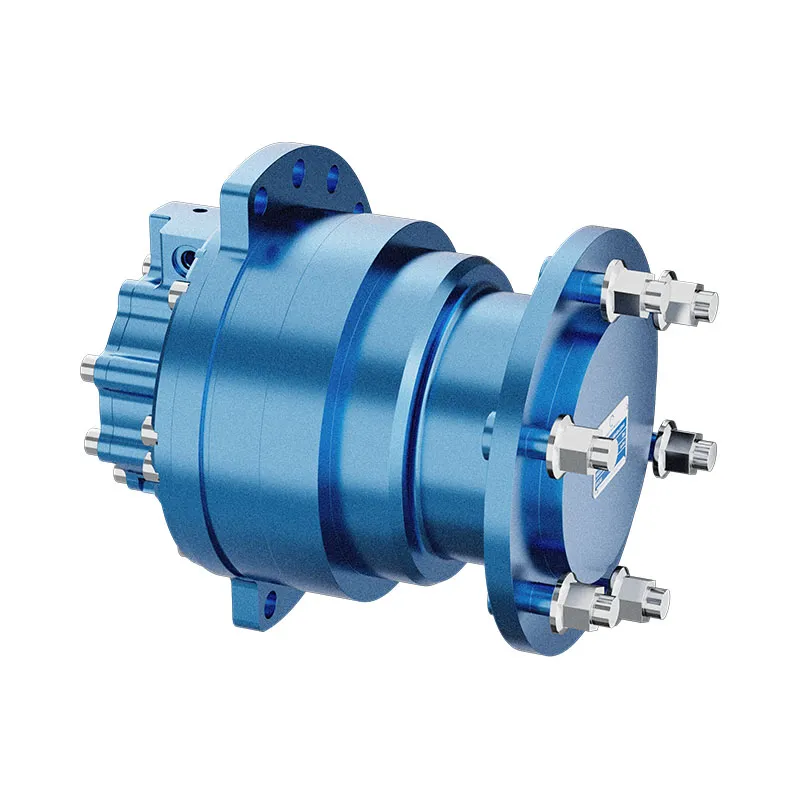
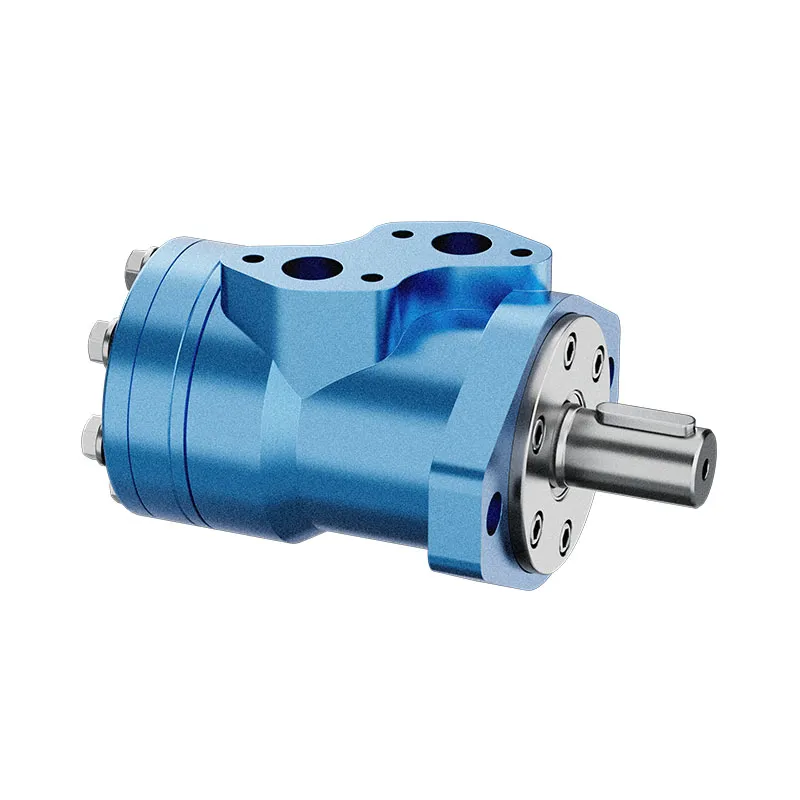
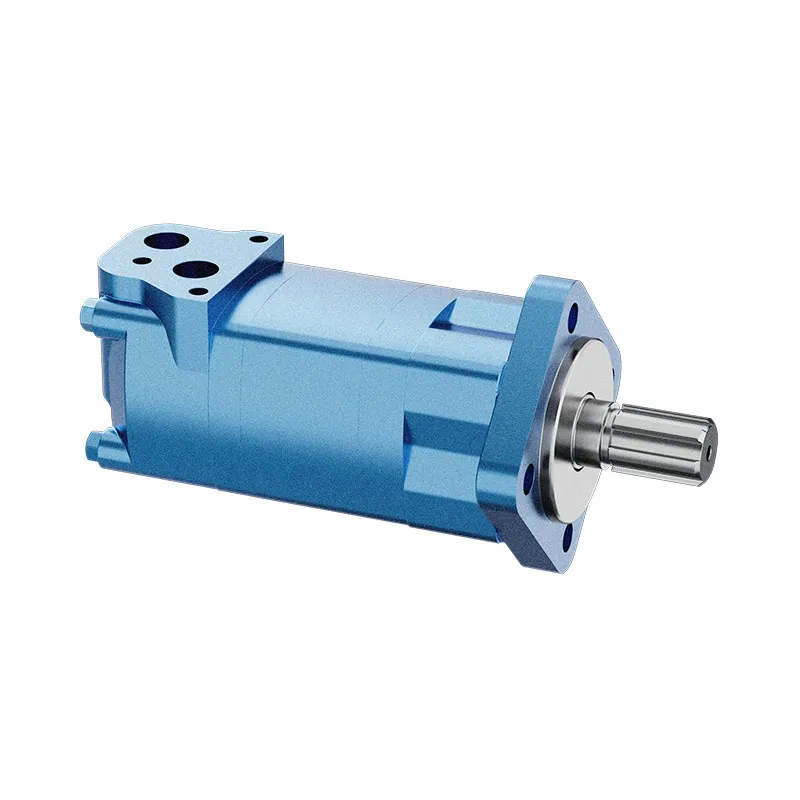
Für eine Anfrage zu einem bestimmten Produkt, bitte überprüfen Sie Konstantmotor A2FM und die vollständige Spezifikation und Installationsbedingungen zu liefern. Bereich der Kolbenmotoren, Bereich der Orbitalmotoren, Motorkasten-Druckkontrollen, Motorabfluss-Durchflussmessung, Berechnung der Motorleistung, Hydraulic Motor Replacement Checklist for Mobile Equipment, Hydraulic Motor Factory Test Report: Torque, Speed, and Leakage. Die Produktfotos veranschaulichen die Katalogkonfigurationen; sie geben jedoch keine Druck-, Geschwindigkeits- oder Wellenlastwerte für eine nicht bestätigte Bestellung an.
Lehrveranstaltung an der Universität: Grundlagen des hydraulischen Motors
NPTEL-NOC IITM stellt eine Lehre über den hydraulischen Motor aus dem Institut für Technik und Ingenieurwissenschaften in Madras vor. Die Vorlesung unterstützt die Unterscheidung zwischen hydraulischem Eingangs- und Abtrieb, wie in dieser Anleitung beschrieben. Die spezifischen Installationseinstellungen und Betriebsgrenzen des jeweiligen Bauteils erfordern weiterhin die Dokumentation des ausgewählten Motors.
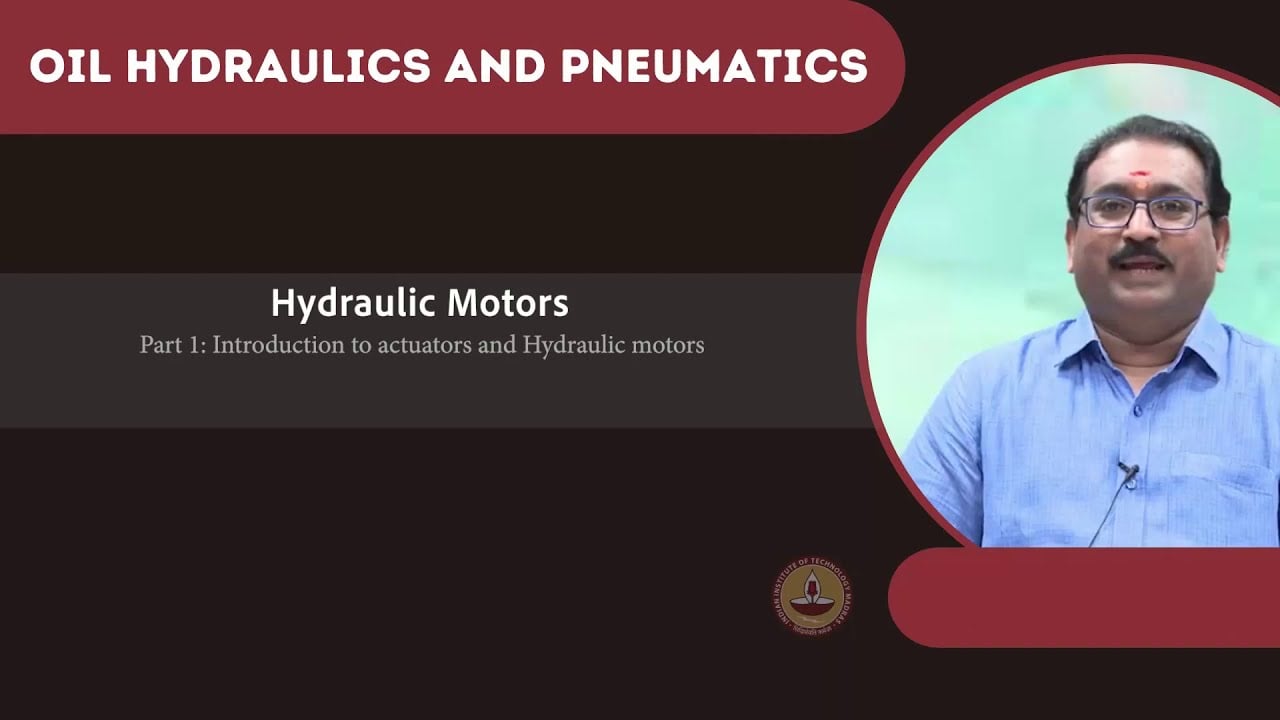
Öffnen Sie die NPTEL-Vorlesung zu Hydraulikmotoren.
Technische und Sicherheitsreferenzen
- NPTEL: Grundlagen der industriellen Ölhydraulik und Pneumatik
- NIOSH: Verletzungen durch gefährliche Energie verhindern
- Technische Referenz: Prinzipien des Betriebes von Orbitalmotoren und Installation
Diese Referenzen liefern ein pädagogisches und technisches Kontext. Die spezifischen Bewertungen für bestimmte Modelle von Referenzherstellern sind keine Spezifikationen für ein Prance-Produkt und implizieren keine Zugehörigkeit oder Genehmigung der jeweiligen Marke.