Wenzhou Prance Hydraulic Equipment Co., Ltd
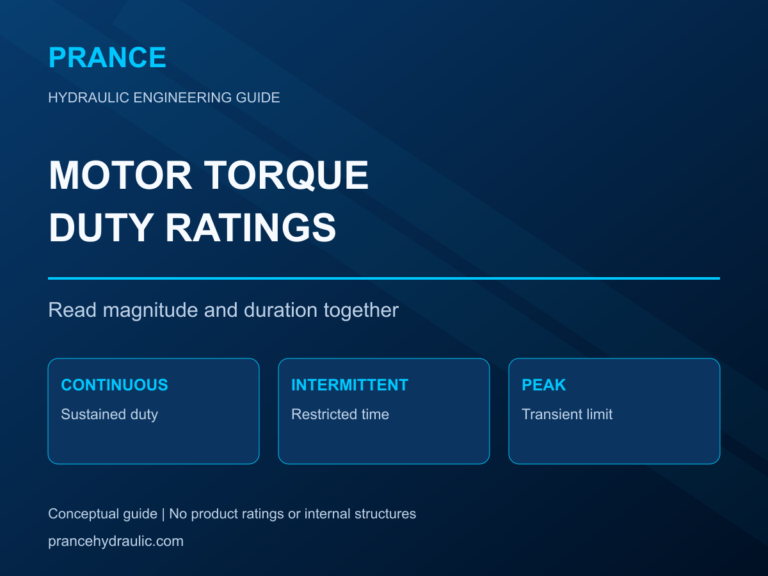
Motor Torque Ratings: Continuous, Intermittent, and Peak Duty
Compare continuous, intermittent, and peak motor torque using the actual load cycle, duration, speed, pressure, and shaft configuration.
Wenzhou Prance Hydraulic Equipment Co., Ltd


Compare continuous, intermittent, and peak motor torque using the actual load cycle, duration, speed, pressure, and shaft configuration.
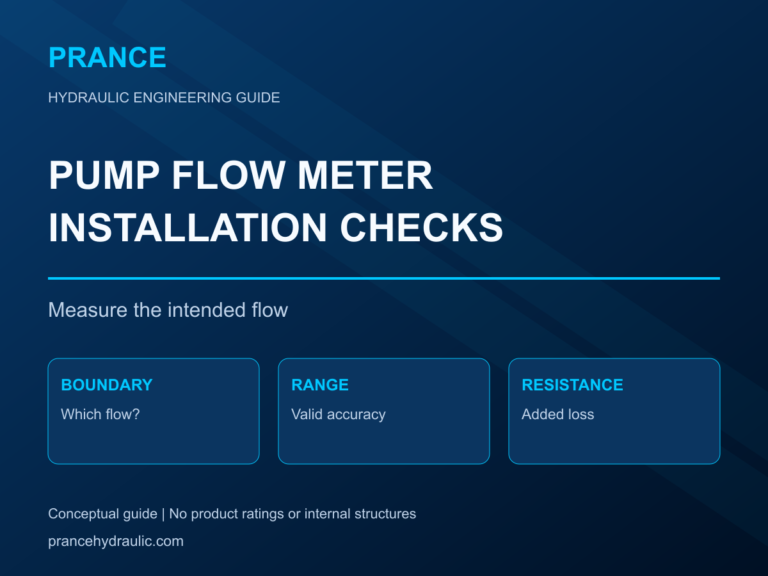
Choose and install a hydraulic pump flow meter without confusing range, pressure drop, branch flow, or temperature effects with pump condition.
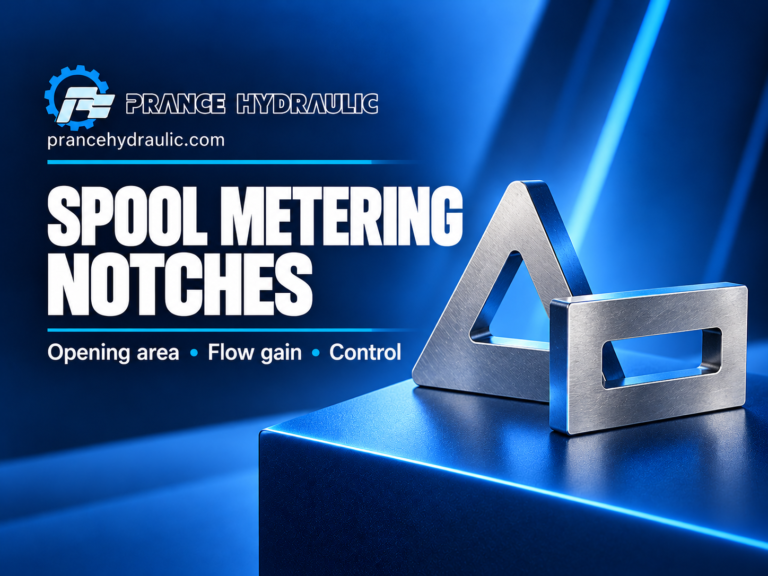
Explain hydraulic valve spool metering notches, opening area, flow gain and low-flow behavior without confusing notch shape with spool overlap or feedback.
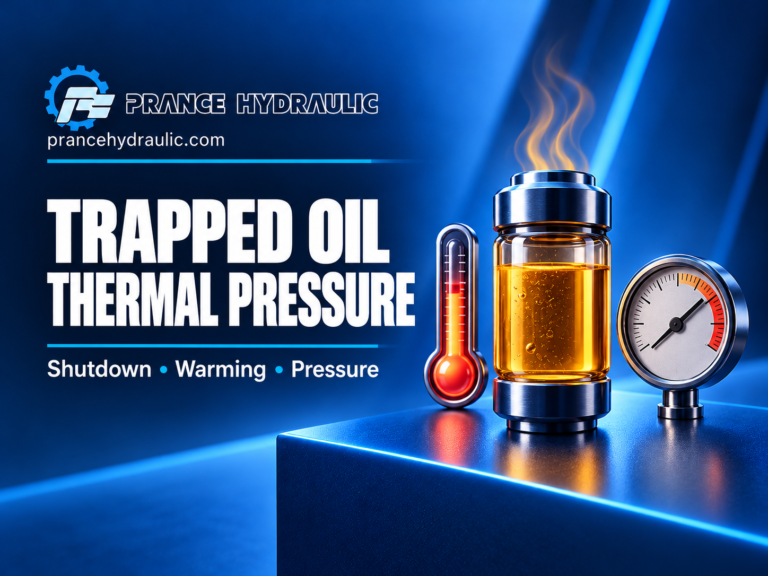
Understand thermal pressure in oil trapped around a stopped hydraulic motor, why pump shutdown does not remove stored energy, and how to review protection.
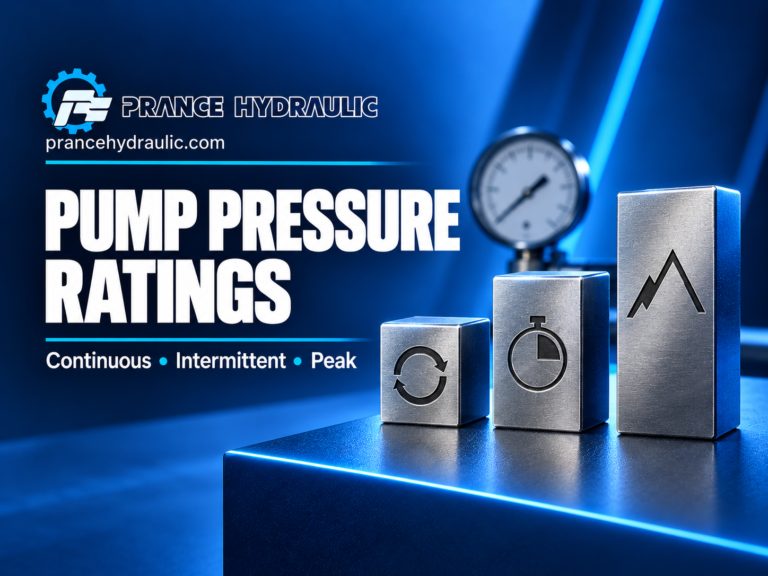
Compare continuous, intermittent and peak hydraulic pump pressure ratings, load duration, relief overshoot and the evidence needed for a reliable pump selection.
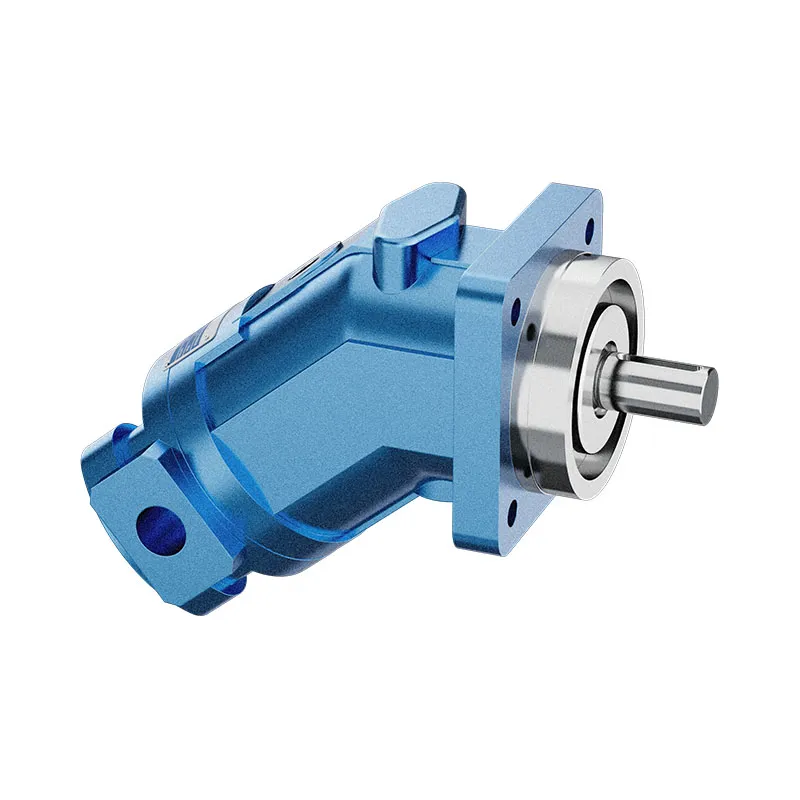
Estimate hydraulic motor heat loss from pressure, flow and shaft power. Weight real duty points and separate motor losses from total system cooling demand.
Explain long-hose hydraulic motor response lag using trapped volume, compliance and pressure rise. Separate elastic storage from restriction and control delay.
Understand hydraulic motor dry-running damage, lubrication loss, safe isolation, contamination checks and documented restart decisions without risky test runs.
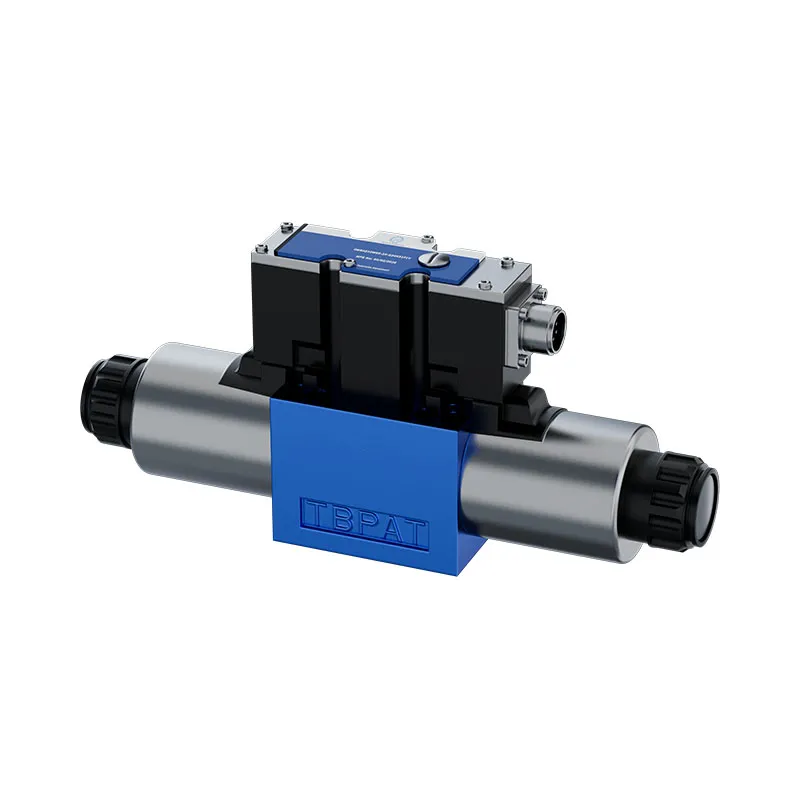
Distinguish proportional valve PWM switching from dither and input commands. Check driver compatibility, current control, temperature and documented settings.
Read hydraulic motor torque-speed curves using test conditions, duty points, efficiency and continuous, intermittent or peak limits without combining maxima.
Select a hydraulic brush-cutter motor by working flow, speed, torque, rotor inertia, shaft loads and stopping duty. Separate calculations from approval.

Separate proportional valve supply voltage, input command and regulated coil current. Specify amplifier compatibility, scaling, signal roles and fault behavior.