Wenzhou Prance Hydraulic Equipment Co., Ltd

Hydraulic Flow Valve: Control Actuator Speed Without Confusing Valve Types
A hydraulic flow valve meters or restricts volume flow to control actuator speed. Buyers use the label for needle throttles, packaged one-way flow controls, pressure compensated flow control hardware, and proportional command valves—not for every component that touches oil. The sections below map those buyer-named types, explain meter in meter out and bleed-off placement, flag heat on continuous duty, keep sibling intents separate, and list circuit facts worth gathering before a valve conversation.
What a hydraulic flow valve does in a circuit
Within the flow control (function family), designers regulate actuator speed by regulating flow rate. A hydraulic flow valve is the hardware that performs that metering job when a buyer asks to slow a cylinder or motor.
In plain language, it limits how much oil passes so the actuator moves faster or slower. A distributor who receives a request for a “flow valve” should confirm speed control is the intended job before comparing packages.
This article stays on speed metering rather than rewriting a full three-function control-valve overview.
Common hydraulic flow valve types buyers actually name
Buyers rarely arrive with one universal part number. They usually mean one of four speed-control patterns:
| Buyer-named type | Core job | Plain-language picture | First clarification question |
|---|---|---|---|
| Needle / simple throttle | Non-compensated variable orifice | A hand-turn restriction whose speed can drift when load or oil temperature changes | Is load and supply steady enough for a simple throttle? |
| Flow control with reverse check | One-direction metering, free reverse flow | Slows motion in one direction but lets oil return freely the other way | Do you need different forward and reverse speeds? |
| Pressure-compensated flow valve | Holds flow closer to set value as ΔP changes | Tries to keep speed steadier when pressures shift | Do you need steadier speed under varying load or supply? |
| Proportional flow control | Continuous electronic command of flow (often with direction) | A valve you modulate electrically instead of only turning a knob | Is the control signal continuous rather than on/off? |
When the enquiry already points to compensator mechanics, priority branching, or divider splitting, hand the reader to the dedicated hydraulic flow regulator valve article rather than duplicating that deep dive here.
Needle and simple throttle flow valves
A needle valve is a non-compensated variable orifice. Orifice flow tracks orifice size, the pressure difference across the restriction, and oil temperature or viscosity together.
Shop teams often call variable-orifice restrictions “needle valves.” That label describes the restriction style, not a guarantee that every package is bidirectional or includes a reverse check.
When load shifts and speed wanders on a hand throttle, the circuit may still be workable—or it may be time to discuss compensated hardware.
Flow control valves with reverse-check packaging
Many marketed flow controls meter in one direction and allow free reverse flow through a check. That packaging is common on in-line adjustable flow controls where reverse motion must not fight the restriction.
A buyer who asks for a “flow control with free reverse” is usually describing that one-way metering pattern, not a pressure compensator. Confirm direction of motion and whether reverse speed must stay unrestricted before selecting hardware.
Pressure-compensated and proportional flow control
Pressure-compensating flow control is designed to maintain closer-to-constant flow when load changes. It is the step buyers take when a needle throttle drifts but the job is still speed metering on one branch.
Proportional flow hardware adds continuous electronic command—often alongside directional control valve functions—when on/off solenoid switching is not enough. That moves the conversation toward command interface and open-loop control rather than a hand knob.
For compensator mechanics, priority/three-way behavior, and divider boundaries, use the sibling flow-regulator article linked above. This section only flags when compensation or proportional command enters the buyer vocabulary.
Meter-in, meter-out, and bleed-off placement
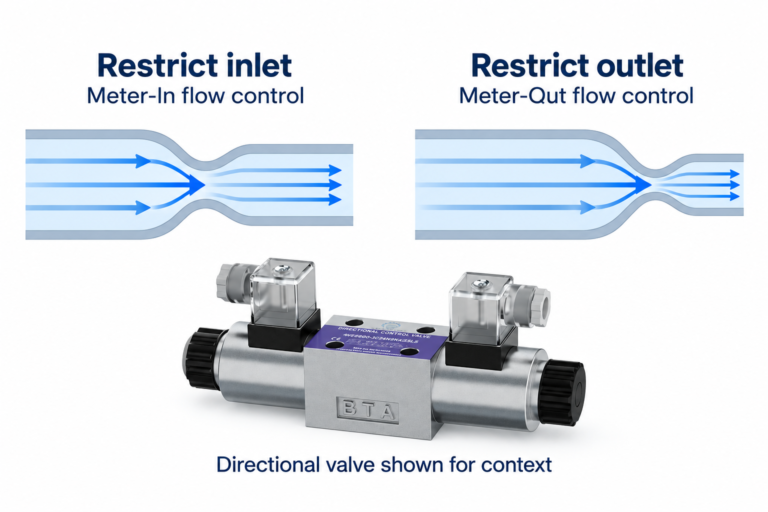
The three circuit positions—meter-in / meter-out / bleed-off—answer different load and efficiency questions. Meter-in / meter-out / bleed-off placement changes where flow is restricted relative to the actuator.
Meter-in restricts oil entering the actuator. Meter-out restricts oil leaving it. Bleed-off sends surplus flow to tank or a bypass leg instead of forcing it all through the work line.
Application guides often prefer meter-out for overrunning loads and meter-in for many resistive hydraulic loads. Treat those as common starting points, not universal install rules—confirm the architecture against the circuit plan.
Restricting flow anywhere in the circuit can raise fluid temperature when a large pressure drop sits across a partially open element.
What a flow valve is not
Speed metering is not system overpressure protection, path switching, directional start/stop, a generic control-valve overview, or the compensated-regulator deep dive.
Relief hardware limits pressure; a flow valve does not replace that job. See the relief valve setting guide when pressure protection is the real question.
Path switching belongs to diverter-style conversations such as the hydraulic diverter valve article. Directional start, stop, and direction of flow belong to directional spool routes discussed later.
The hydraulic control valves overview lists flow as one function family. This article stays on buyer-named flow-valve types rather than rewriting that overview.
Heat and continuous-duty objections buyers actually raise
Throttling needs pressure drop, and that drop converts excess energy into heat—especially on continuous motor duty. A flow valve is not a free way to cut flow while holding full system pressure.
From the field: In a TractorByNet thread on flow control valves, a buyer wondered whether throttling could cut flow while keeping pressure unchanged. Replies stressed that restriction needs ΔP, that return flow can carry wasted energy as heat, and that motor duty magnifies the effect.
Rising oil temperature near a partially open restriction usually signals the same energy conversion—not a cue to size a cooler inside this article.
Build the selection picture before a valve conversation
Gather circuit function, flow, pressure, control signal, mounting, ports, fluid, and filtration or cleanliness before treating a flow-valve style solution as the next step.
| Information to gather | Why it belongs in the conversation | Example clarification |
|---|---|---|
| Circuit function | Separates speed metering from path or pressure jobs | Is the need single-branch speed control or something else? |
| Required flow and working pressure | Anchors the valve talk to circuit demand | What flow and working pressure does normal operation need? |
| Control signal / electrical interface | Defines how any powered valve will be driven | Manual adjustment, solenoid, or continuous command? |
| Mounting and porting | Confirms how the flow valve sits in the circuit | Subplate, inline body, or manifold face—and which work-line ports apply? |
| Oil grade plus filtration | Captures fluid condition where orifice response must stay stable | Which oil grade and filtration rating support steady flow under load? |
| Duty context | Flags continuous throttling heat risk | Intermittent cylinder motion or continuous motor load? |
Prance publishes a hydraulic valves hub covering directional and proportional options and asks buyers to start with circuit function, flow, pressure, control signal, mounting, and fluid-cleanliness requirements.
Product context: hydraulic valves hub and adjacent 4WE / 4WRAE routes
After the checklist is filled in as far as machine data allows, open the Hydraulic Valves family route. The hub covers directional and proportional options and lists circuit-function, flow, pressure, control-signal, mounting, and fluid-cleanliness inputs.
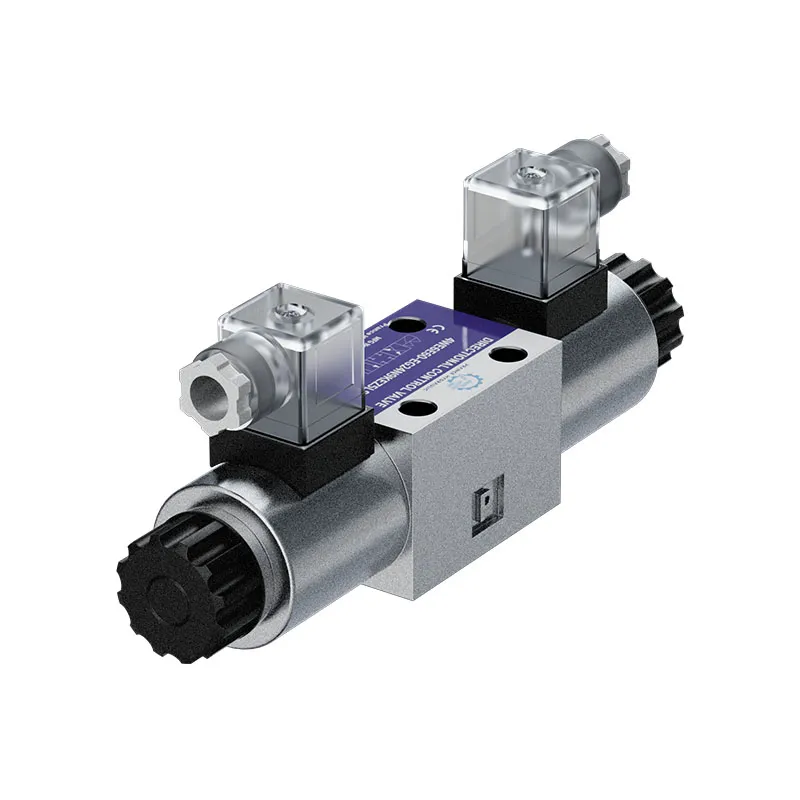
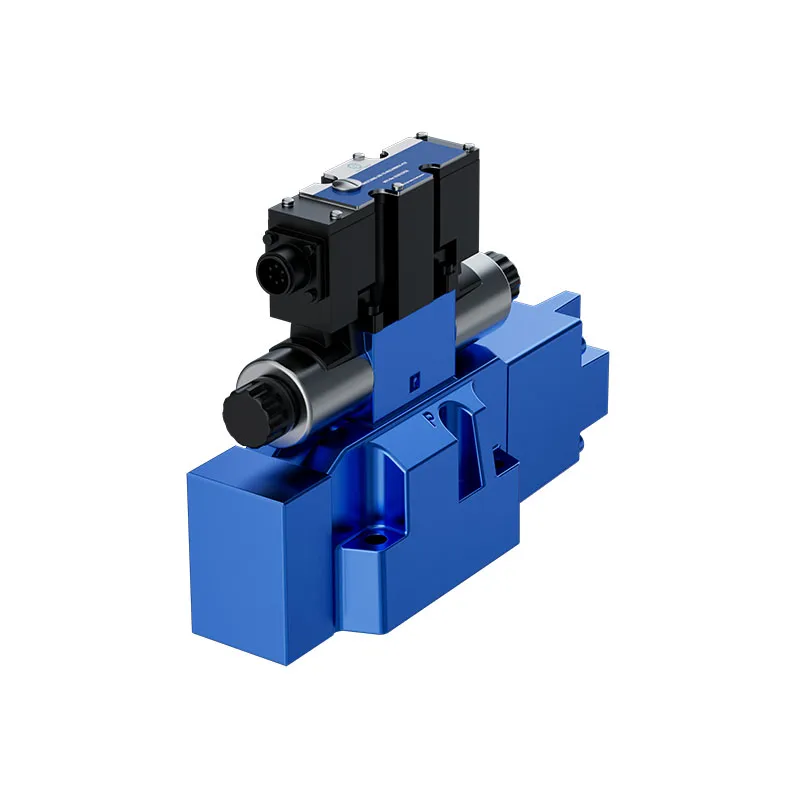
When start, stop, and direction of flow matter more than discrete flow metering, review the Directional Valve 4WE route for solenoid-operated directional spool valves.
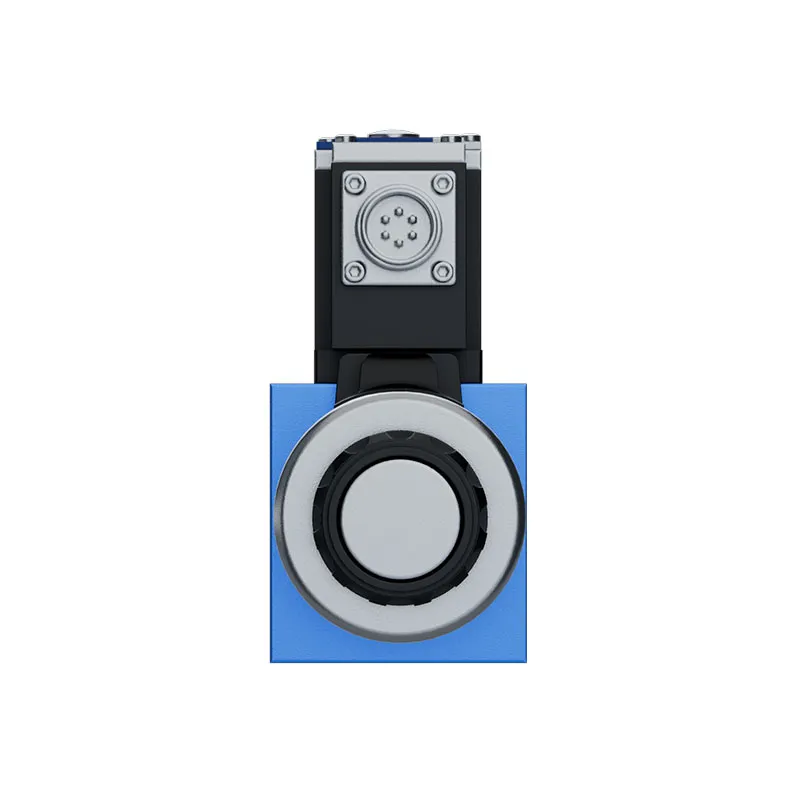
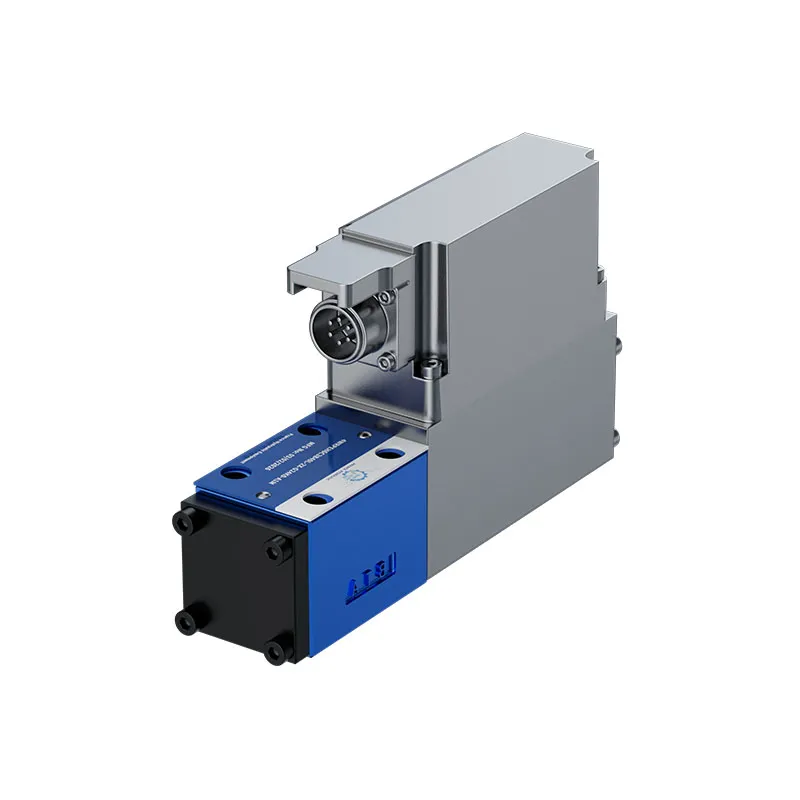
When continuous open-loop command of direction and volume flow is required, review the Proportional Valve 4WRAE route for direct-actuated proportional control with a spring-centred spool.
Neither named route is a dedicated flow-valve SKU. Use them when the documented job matches after the speed-control taxonomy and circuit facts are clear.
FAQs
What is a hydraulic flow valve?
It meters or restricts volume flow to control actuator speed. Buyers use the label for needle throttles, packaged one-way flow controls, pressure-compensated devices, or proportional flow hardware.
What does a hydraulic flow control valve do?
It regulates actuator speed by limiting how much oil passes to the actuator. That metering job is distinct from path switching or pressure protection.
What are the main types of hydraulic flow valves?
Needle or simple throttles, flow controls with reverse checks, pressure-compensated flow valves, and proportional flow control are the patterns buyers most often name.
What is the difference between meter-in and meter-out flow control?
Meter-in restricts inlet flow to the actuator; meter-out restricts return flow. Overrunning loads often push designers toward meter-out; many resistive loads start with meter-in—always confirm against the circuit plan.
How is a needle valve different from a flow control valve?
A needle is often a bidirectional variable orifice whose flow changes with orifice size, pressure difference, and viscosity. Many marketed flow controls meter one way and allow free reverse flow through a check.
When do you need a pressure-compensated flow valve?
When load or supply pressure changes enough that a simple throttle drifts and steadier speed still matters. For compensator mechanics and priority/divider boundaries, see the flow regulator valve article.
Does a flow control valve create heat?
Yes. Restriction needs pressure drop, and that energy often becomes heat—especially when excess oil returns to tank on continuous duty.
What should I prepare before an RFQ about valves for speed control?
Collect circuit function, flow, pressure, control signal, mounting, ports, fluid, and filtration class first, then note whether the load is intermittent or continuous motor duty.
Does Prance list a dedicated flow-valve model on the valve hub?
The published valves hub focuses on directional and proportional routes and the RFQ fields those families need. Share your circuit facts there; open 4WE for path control or 4WRAE when continuous direction-and-flow command is the documented job.