Wenzhou Prance Hydraulic Equipment Co., Ltd

Hydraulic Selector Valve: Choose the Right Circuit Path Without Mixing Valve Jobs
A hydraulic selector valve switches supply from one inlet arrangement to one of two or more work circuits so a single pump or manifold can serve alternate functions—typically one active path at a time. Upstream directional controls still handle extend, retract, or stop on whichever circuit is connected. The sections below separate selector path selection from priority valves, flow dividers, directional motion control, and flow regulation, then list configuration checks and RFQ inputs worth confirming before a valve conversation.
What a hydraulic selector valve is (and is not)
A hydraulic selector valve switches supply from one inlet arrangement to one of two or more work circuits. In plain language, it picks which downstream function receives oil from the shared source.
Buyers also see the same circuit-switching job marketed as a hydraulic diverter valve. For diverter-first mobile framing, see the hydraulic diverter valve guide. This article keeps selector as the primary keyword for industrial multi-circuit path selection.
Selectors belong to the directional-control valve family because an internal spool, ball, or poppet element shifts to connect different port paths. A selector answers which circuit is live, not how fast an actuator moves.
It is also not a flow regulator or a generic hydraulic control valves overview. A check valve / relief valve pair solves holding reverse flow and limiting pressure—different jobs from path selection.
How selector valves switch circuit paths
In a shared-control pattern, the selector connects one set of work ports / circuits at a time while the unused path stays blocked. Once a path is live, the directional valve on that branch still governs extend, retract, and stop for the connected actuator.
The selector uses that family mechanism for circuit choice before motion commands reach the active branch.
Manual / solenoid / pilot actuation can shift the path. Treat actuation as a configuration question confirmed against model documentation, not as a field install recipe.
Selector vs diverter naming vs directional control
Selector and diverter are often interchangeable labels for the same circuit-switching job, with regional naming differences. The hardware still picks one active work path at a time.
A selector chooses which downstream circuit receives flow. Directional hardware on the active branch still governs extend, retract, and stop for the connected actuator.
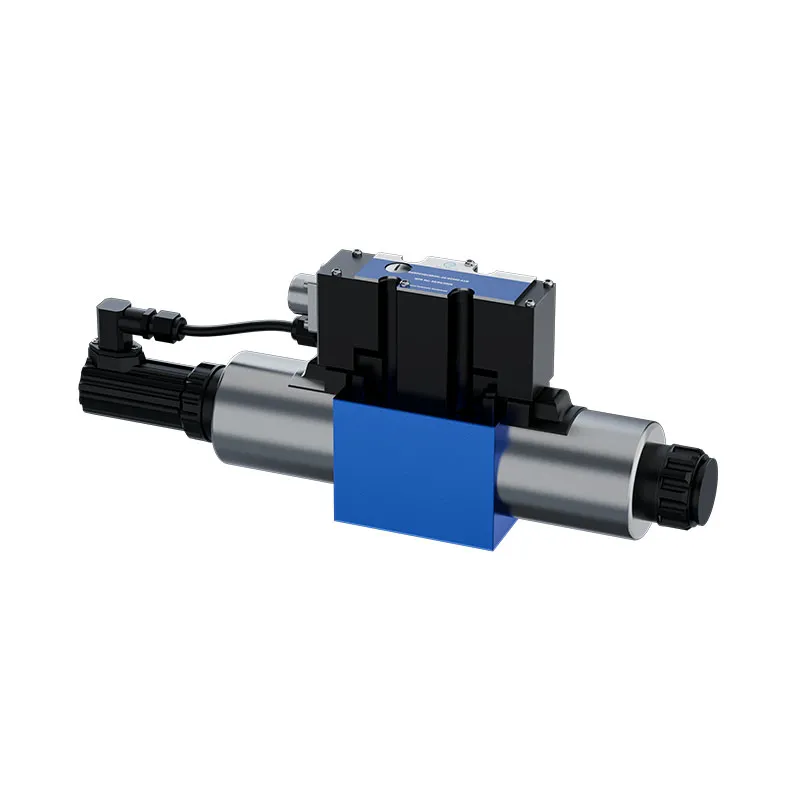
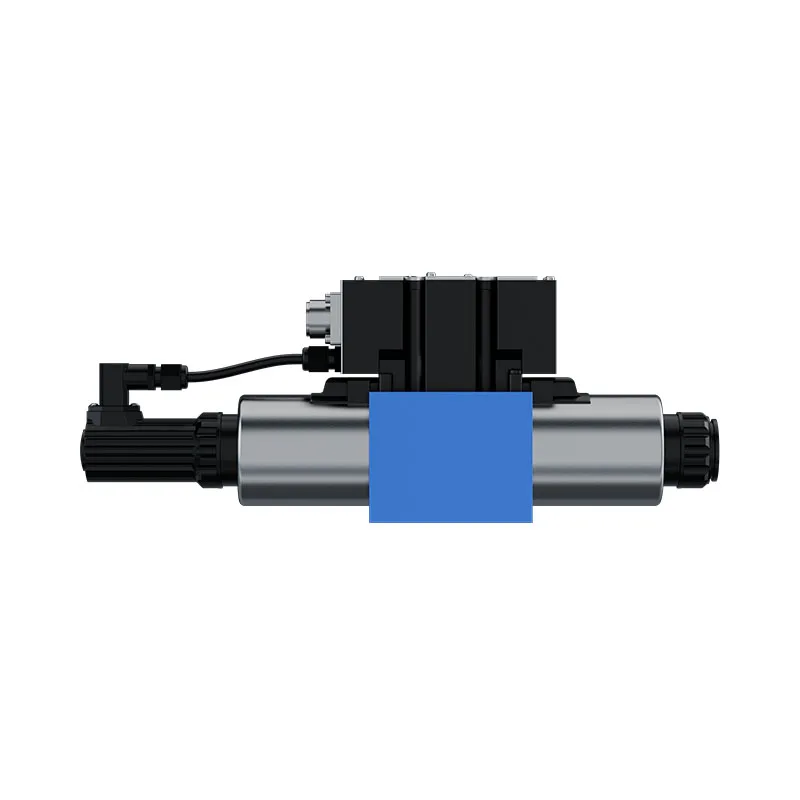
Prance’s Directional Valve 4WE route documents motion control on the connected circuit. It is adjacent to selector logic, not a named selector SKU.
A true third function / dedicated section adds its own control path when simultaneous use is part of the machine plan.
| Buyer job | What the hardware mainly does | Plain-language outcome |
|---|---|---|
| Selector / diverter path switching | Routes all supply to one chosen work path | One shared source serves alternate functions, usually one at a time |
| Directional start/stop/direction | Controls extend, retract, or stop on the connected circuit | Motion control after the path is selected |
| Dedicated extra section / true third function | Adds a dedicated control path rather than sharing one valve | Architecture chosen when simultaneous use is part of the plan |
Selector vs priority valve vs flow divider
Buyers often confuse path selection with path splitting—three different valve jobs.
A priority valve is a flow-function device.
It feeds a primary branch first and sends excess or remaining flow to a secondary path.
A flow divider distributes supply into proportional branches—often for synchronizing or sharing volume between actuators. That is a different decision from sending all supply to one selected circuit.
| Branching job | What the hardware mainly does | Selector relevance |
|---|---|---|
| Selector path switching | Routes all supply to one chosen path | Primary topic |
| Priority valve | Primary flow first, excess to secondary | Use when bypass sharing is required |
| Flow divider | Splits inlet into proportional outputs | Use when both branches need simultaneous shares |
Port count, center condition, and actuation checks
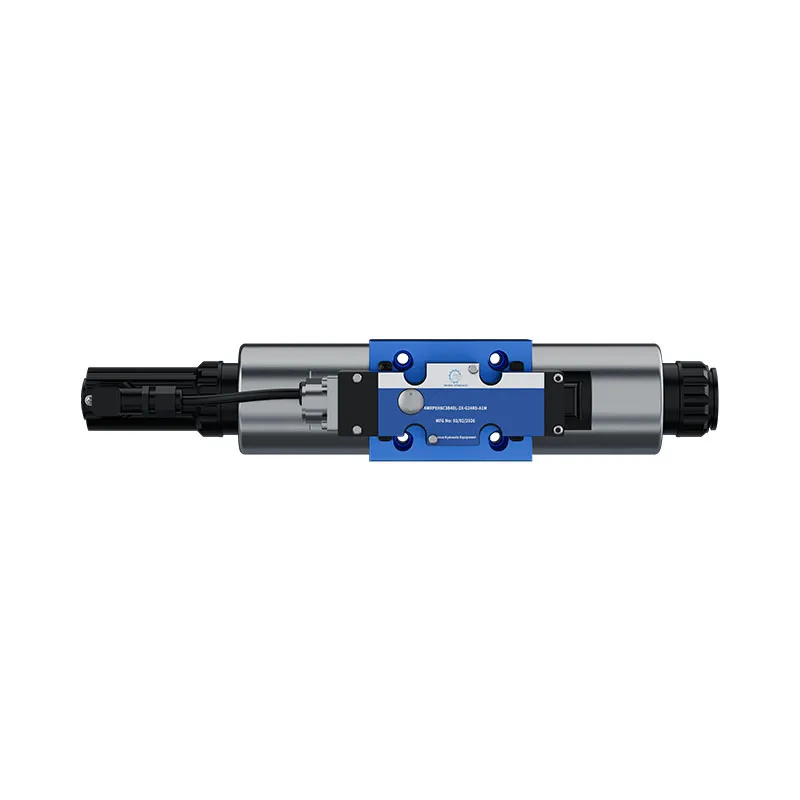
Selection service is commonly described as one inlet changing over between two outlets. A 3 way selector valve label—and broader 3-way / 6-way port arrangement notes—describe path geometry, not performance ratings.
Center-type labels—open center / closed center—describe what happens between full work-path positions. Confirm the center condition against model documentation for the circuit you are matching.
Record port arrangement, center condition, and actuation beside flow, pressure, mounting, and fluid cleanliness before supplier discussions.
Simultaneous use and multi-circuit trade-offs
Shared-control selectors often cannot run the original and diverted functions at the same time. That sequential limit is the main trade-off buyers weigh against a true third function / dedicated section.
From the field: Equipment-forum buyers often accept sequential function access as the trade-off for shared-source path switching—one active hydraulic function at a time unless a dedicated third-function path exists. See the TractorByNet thread on diverter vs. true third function for representative community language.
Stacking multiple path switches can expand how many functions share a source, yet hose layout and work-port accessibility still need confirmation in the circuit plan.
Build the selection picture before a valve conversation
Start with circuit function, rated flow, working pressure, command method, mounting interface, port geometry, fluid type, and cleanliness class—the same starter fields the valves hub publishes for RFQ discussions.
Document whether the machine needs alternate paths only, or simultaneous branches with priority or divider hardware. That single architecture note prevents a selector conversation from starting when the real need is flow sharing.
Use the checklist to confirm whether the enquiry is path selection, motion control on one path, or speed metering. Undefined simultaneous-use needs or missing electrical-interface data are reasons to pause before naming a valve type.
| Information to gather | Why it belongs in the conversation | Example clarification |
|---|---|---|
| Circuit function | Separates selector path switching from directional motion or flow metering | Is the request circuit selection, speed control, or motion on one path? |
| Rated flow and pressure | Ties the valve talk to active-circuit demand | What flow and pressure does the selected path require? |
| Command method / electrical interface | Matches manual, solenoid, or pilot actuation | Which operator input and coil interface apply? |
| Mounting interface and ports | Defines the mechanical connection | Which mounting pattern and port sizes are in the circuit? |
| Fluid type and cleanliness class | Describes the operating environment | Which fluid and filtration class apply? |
Product context: hydraulic valves hub and adjacent 4WE / 4WRAE routes
Prance publishes a hydraulic-valve product-family route covering directional and proportional options. Review the hydraulic valves hub with the checklist above before naming a product family.
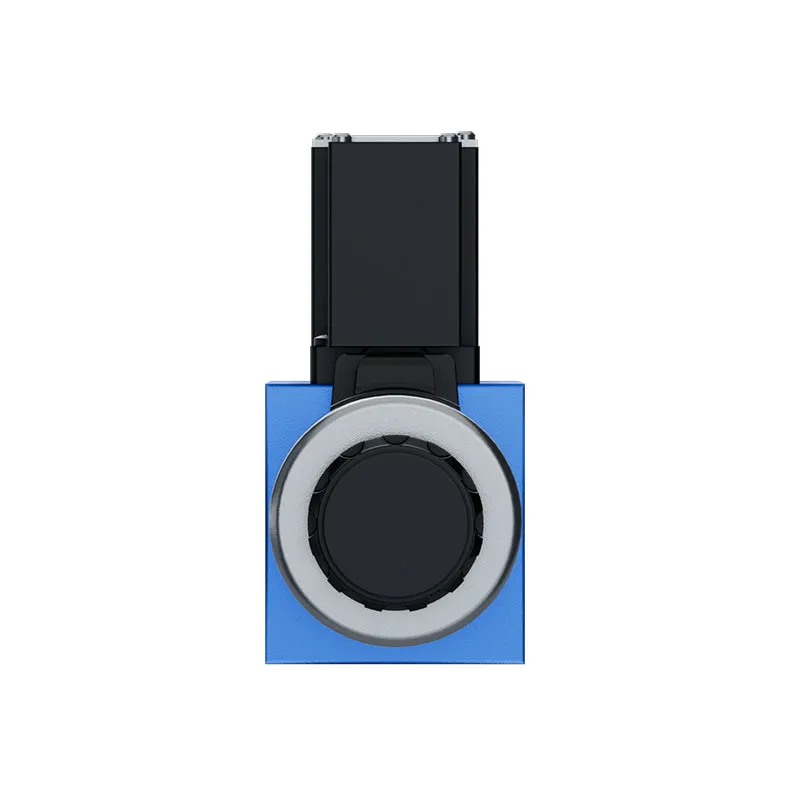
The Directional Valve 4WE route fits when start, stop, and direction on the connected actuator is the remaining decision. The Proportional Valve 4WRAE route documents open-loop direction and volume-flow command when continuous proportional control is the remaining job.
Neither the hub, 4WE, nor 4WRAE is presented here as a selector model or a guaranteed fit for every path-switching enquiry.
Bring the completed checklist to the hub conversation first. Open 4WE or 4WRAE only when the documented job matches those adjacent functions rather than multi-circuit path selection.
FAQs
What is a hydraulic selector valve?
A hydraulic selector valve routes supply from one inlet to one of two or more work circuits so a single source can serve alternate functions. In typical shared-control use, only one of those paths is active at a time.
How does a hydraulic selector valve work?
It changes the internal flow path so supply connects to one work-port path while the unused path stays blocked. Operator input may be manual, solenoid, or pilot; upstream directional controls still reverse or stop the active function.
Is a diverter valve the same as a selector valve?
For circuit-switching jobs, selector and diverter are commonly treated as interchangeable market labels, with regional naming differences. See the hydraulic diverter valve article for diverter-first mobile framing.
How is a selector different from a directional control valve?
A selector chooses which downstream circuit receives supply. Directional control starts, stops, and reverses motion on the circuit already connected to the active path.
How is a selector different from a priority valve or flow divider?
A selector routes all supply to one chosen path. A priority valve feeds a primary branch first and sends excess to a secondary path; a flow divider shares inlet flow between proportional branches.
Can I operate both functions at once with a selector?
Shared-control selector setups usually cannot run both functions simultaneously. Confirm the architecture: if simultaneous use is required, a priority valve, flow divider, or dedicated extra section may be the better starting point.
What do 3-way and 6-way selector labels mean?
They are port-count and path-geometry labels for how the valve body switches circuits. They are configuration vocabulary, not flow or pressure ratings.
What information should I prepare before asking about valve options?
Start with circuit function, rated flow, working pressure, command method, mounting interface, ports, fluid type, and cleanliness class—the fields the valves hub lists for RFQ discussions.
Is a selector a check valve or a relief valve?
No. A selector switches circuits; a check valve holds reverse flow and a relief valve limits pressure. Keep those protection jobs on their own articles when the buying question is holding or overpressure protection.